Why Your Back Hurts When You Build Furniture Or Vacuum
You do not hurt your back deadlifting. You hurt it building IKEA furniture.
February 19, 2026 · 8 min read
You tell yourself:
- "I train."
- "I lift."
- "I am strong."
Then you spend forty-five minutes on the floor with an Allen wrench and your lower back feels like it aged twenty years.
Here is what is actually happening. It is not weakness. It is control.
The Real Problem Is Sustained Sloppy Positioning
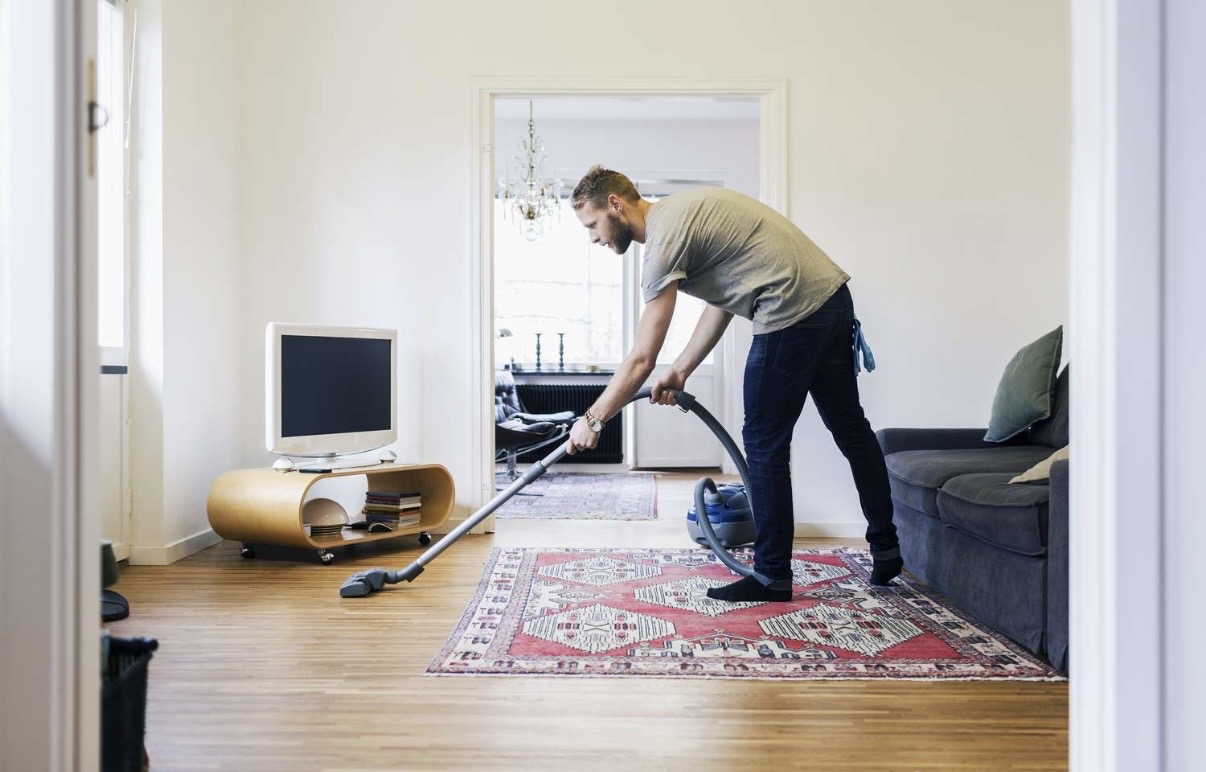
When you build furniture or vacuum, you are:
- Leaning forward
- Rounding your lower back
- Twisting while flexed
- Reaching across your body
- Holding tension without bracing
You would never deadlift like that. But on the floor? You switch your brain off.
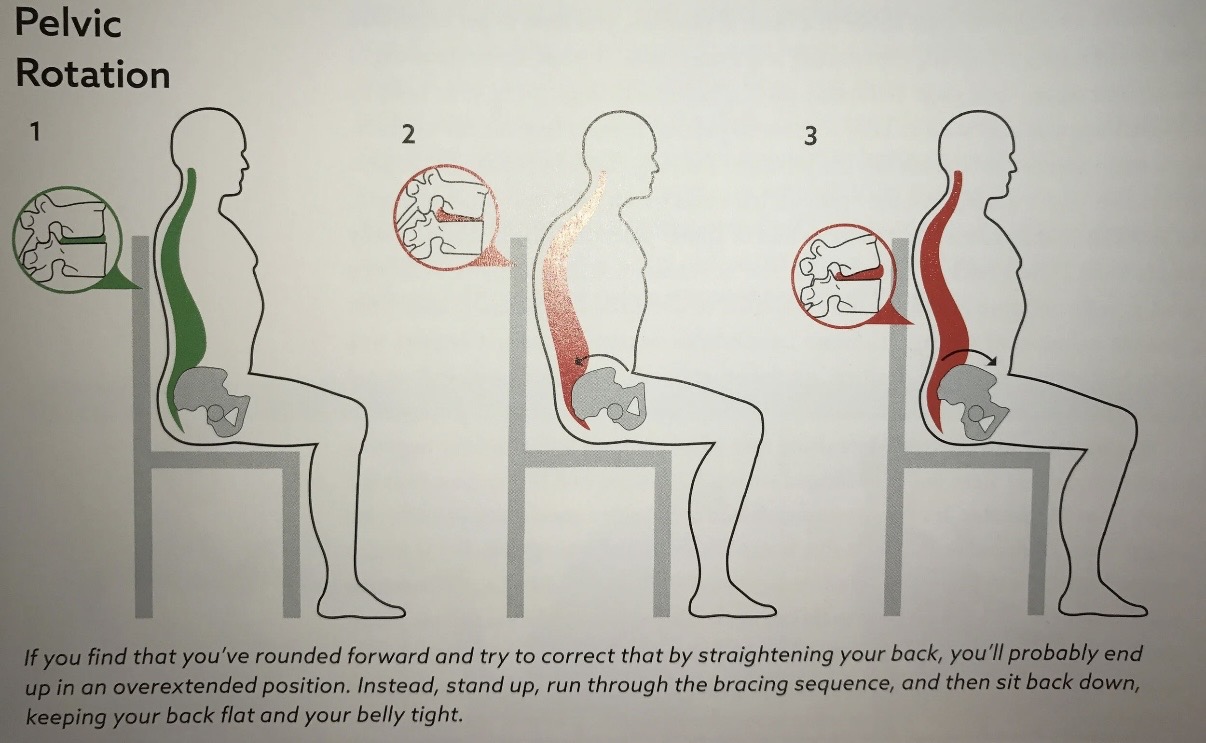
Your lumbar spine is designed for stability. Not long periods of loaded flexion and rotation.
When you stay rounded:
- Disc pressure increases
- Passive ligaments stretch
- Your core shuts off
- Your glutes disappear
Now the small stabilizers in your spine are doing endurance work they are not trained for.
That dull ache? That is tissue fatigue. Back pain loves low level stress done for a long time. It is death by one thousand micro reps.
Your Hips Are Supposed To Move. Your Spine Is Not.
If your hips are stiff, your spine moves instead.
If your core is weak, your spine compensates.
If your glutes are asleep, your SI joint absorbs force it should not.
Most people do not have a strength problem. They have:
- Poor hip flexion
- Poor internal rotation
- Weak anterior core endurance
- Zero anti-rotation control
So vacuuming becomes a rotational stress test. And you fail it.
Why It Does Not Hurt In The Gym
Because in the gym:
- You brace.
- You focus.
- You rest.
- You move with intention.
At home you slouch. You twist casually. You hold awkward positions for twenty minutes straight.
The body does not care that it is a household chore. Load is load.
Your Glutes Are Probably The Missing Piece
When your glutes are weak, your lower back works overtime.
The glutes are the primary hip extensors and stabilizers of the pelvis. If they do not fire properly:
- The lumbar extensors take over
- The hip flexors dominate
- The pelvis tips forward
- The SI joint gets irritated
Now go build furniture in that position. Of course your back lights up.
Strong Glutes Change Everything
- The hips extend instead of the spine
- The pelvis stays stable
- The SI joint has support
- Rotation is controlled
A strong glute max reduces shear on the lumbar spine. A strong glute med keeps the pelvis from dropping and rotating.
Most people stretch their lower back endlessly. What they actually need is posterior chain endurance.
The Fix. Train Control And Endurance
Not random band kickbacks. Not aggressive back stretching. You need patterns that teach the hips to move while the spine stays stable.
Start Here
- 90/90 breathing
- Dead bug regressions
- Slow tempo bird dog
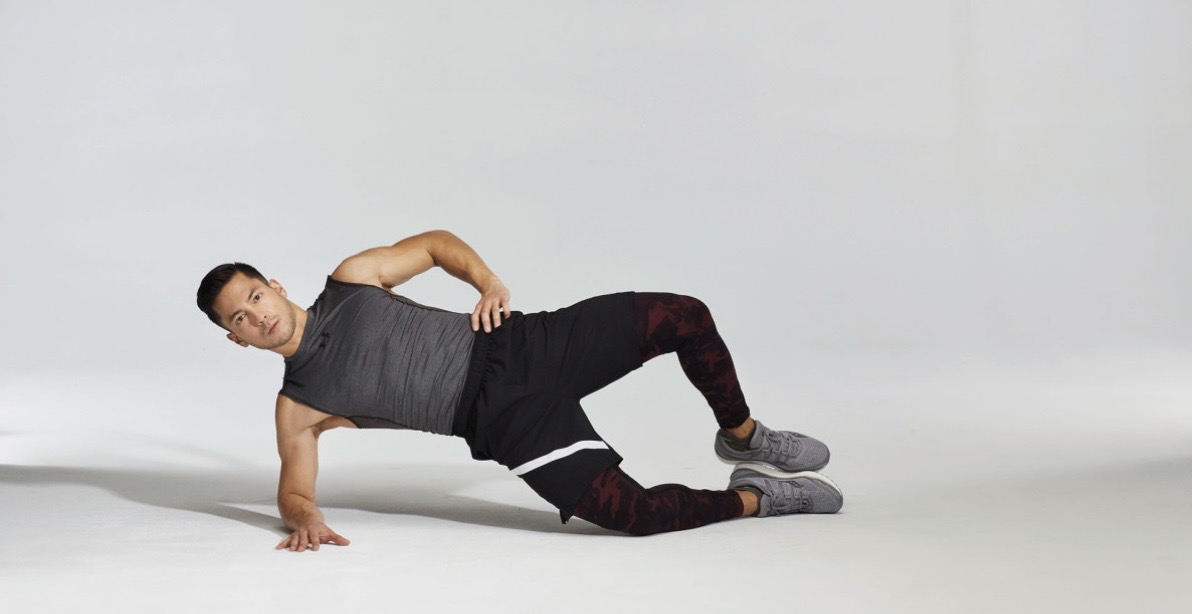
- Side plank progressions
- Split stance RDLs
- Controlled step ups
- Hip thrusts with full rib control
The goal is not just strength. It is strength that holds up under fatigue. Because vacuuming is not a max effort lift. It is endurance.
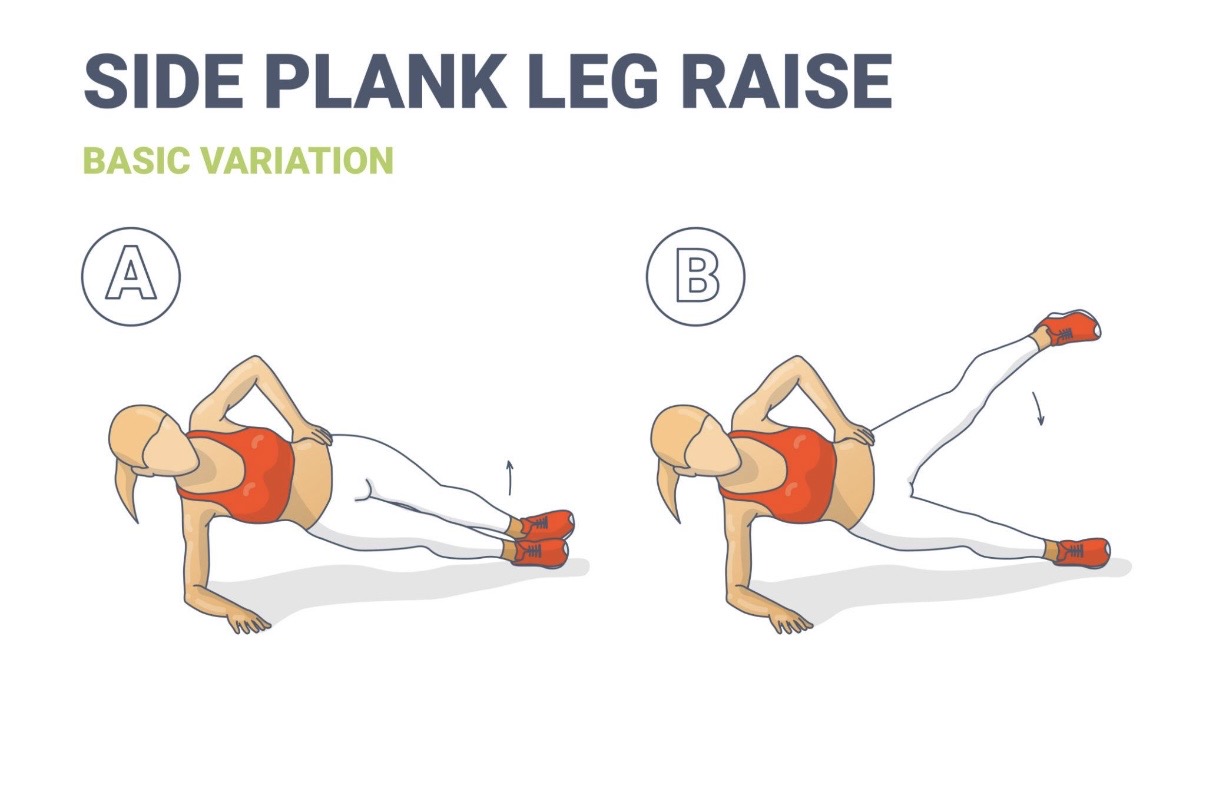
Do say: "I need to brace before I reach or twist."
Do say: "I will switch positions every ten minutes."
Don't say: "It's just vacuuming. It shouldn't hurt."
Don't say: "I need to stretch my lower back more."
Do This Before You Build Something
Next time before you hit the floor:
- Five minutes of core activation
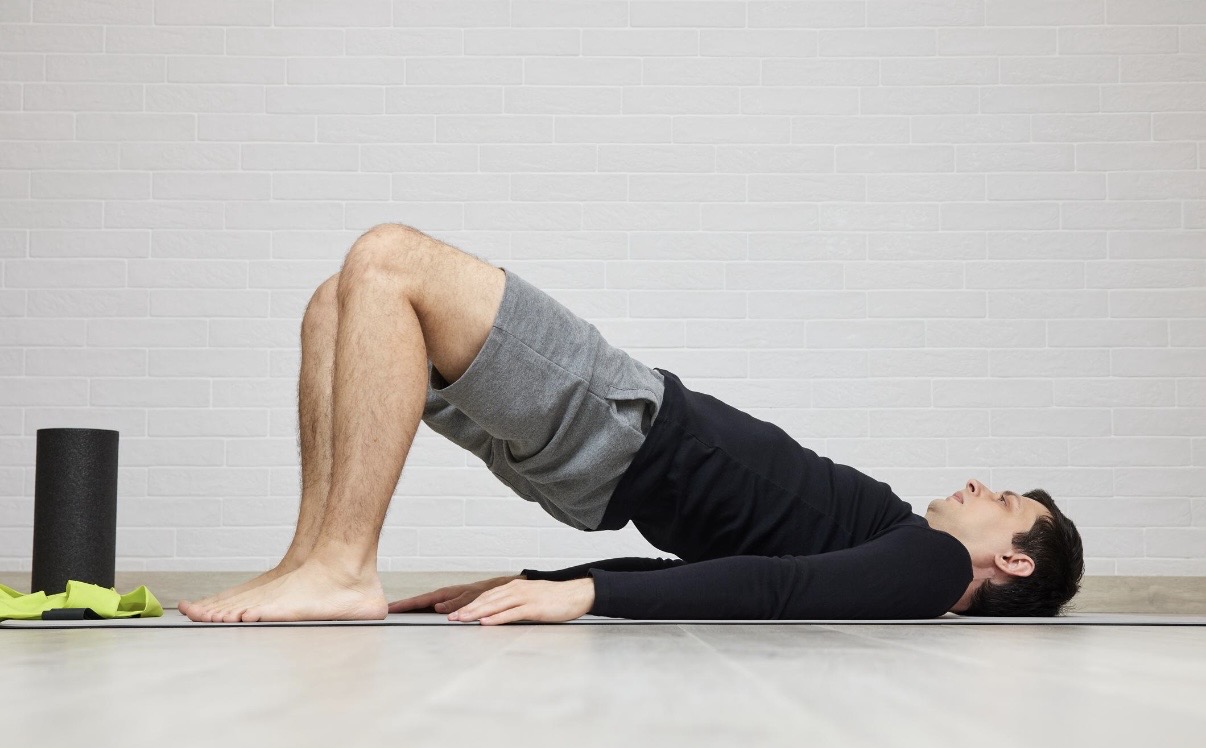
- Ten controlled glute bridges
- Switch positions every ten minutes
- Sit on a small box instead of full spinal rounding
- Brace before reaching or twisting
One Tool That Helps
A quality foam roller used before and after household tasks keeps the tissue mobile and the glutes firing.
You can find one here: Firm Foam Roller on Amazon
Use it on your thoracic spine and glutes before any sustained floor work. It wakes up the right tissue before you abuse the wrong ones.
You are not fragile.
You are just moving without intention. Wake up the glutes. Control the spine. Own your positions. The pain usually follows the control.
Get after it.
—Coach Franco
Disclaimer: This content is for educational purposes only and does not constitute medical advice. Consult your healthcare provider before starting any exercise program, especially if you have existing injuries or conditions. Affiliate links may be included.
Ready to Take the Next Step?
Fill out our quick form to get personalized guidance for your fitness journey.
Start Your AssessmentKeep Reading
Dont Be A Floppy Pickle
You are not tired. You are collapsed. Posture is not a stretch problem. It is a strength and awareness problem. Learn The Franco System for stacking your skeleton and owning your standing position.
Stop Trying To Crack And Stretch Your Pain Away And Start Getting Strong
You are not tight. You are weak in the wrong places. Learn The Franco System for fixing pain with stability, strength through range, and eccentric control.
Why Your Lower Back or SI Joint Keeps Popping And What To Do About It
If your SI joint keeps popping it is not random. It is usually a control issue. Learn why it happens and how to fix it with targeted stability exercises.