How to Train With an Injury Without Losing Momentum
Smart Adjustments That Keep You Moving Forward
February 21, 2026 · 9 min read

Injuries do not ruin progress.
Overreactions ruin progress.
Most people treat injury like a light switch.
All in.
Or completely off.
And that is where momentum dies.
You do not need to stop training.
You need to adjust intelligently.
First: Understand the Difference Between Hurt and Injured
Pain does not automatically mean damage.
Research in sports medicine shows that many aches are load management problems, not structural breakdown.
Ask:
- Is this sharp unstable pain?
- Or controlled discomfort?
- Is swelling present?
- Is strength dramatically reduced?
- Does it worsen every session?
If you suspect structural damage, get evaluated.
If it is irritation from overload, you likely need modification not shutdown.
The Rule of Relative Rest
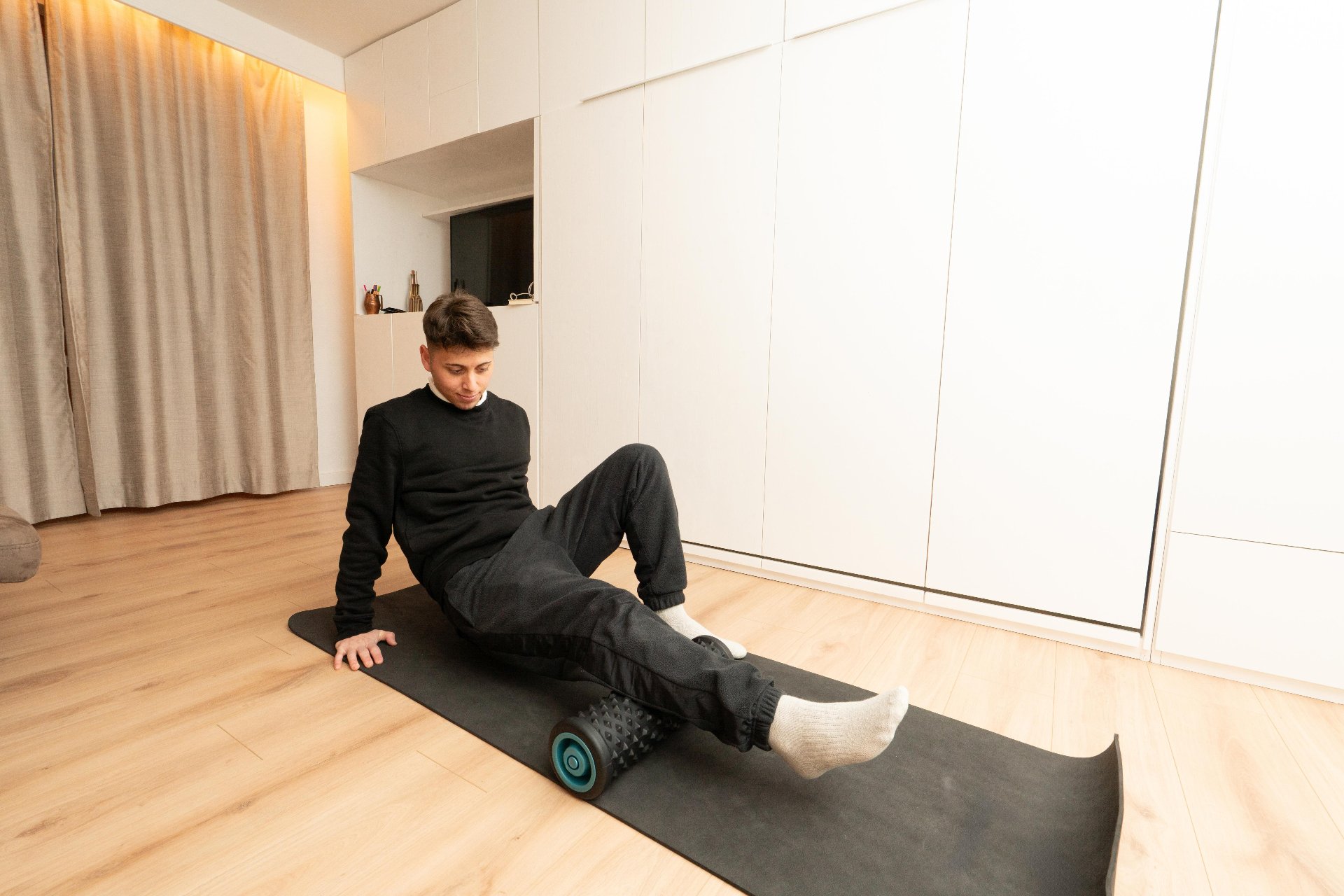
Relative rest means:
Stop aggravating the injured tissue.
Keep training everything else.
Bad knee?
- Train upper body
- Train posterior chain pain free
- Train core
- Train conditioning seated or non impact
Shoulder irritation?
- Train lower body hard
- Train single arm pressing pain free range
- Use machines or neutral grips
The body does not detrain globally from local injury.
Momentum is preserved when identity is preserved.
Maintain Intensity Somewhere
One mistake people make is lowering intensity everywhere.
You can reduce load on the injured area while pushing hard elsewhere.
If squatting hurts the knee, try:
- Romanian deadlifts
- Hip thrusts
- Reverse sled pulls
- Step ups within tolerance
If pressing hurts the shoulder:
- Landmine press
- Neutral grip dumbbells
- Floor press
- Rows and pull variations
Train around the injury, not into it.
Keep the Three Anchors
Even during injury protect these:
- Strength train what you can
- Hit your protein target
- Walk daily if tolerated
Protein intake around 0.7 to 1 gram per pound of bodyweight helps preserve lean mass during reduced training.
Muscle loss happens when you fully shut down. Not when you intelligently modify.
Use Pain as a Programming Tool
Injury phases are opportunities to:
- Improve mobility
- Fix asymmetries
- Strengthen weak links
- Slow down tempo
- Work on technique
Most injuries expose poor load management. Fix the leak while you recover.
The Psychological Battle
The hardest part of injury is not physical.
It is identity.
If your identity is:
"I train consistently"
Then modification keeps you aligned.
If your identity is:
"I only train when perfect"
You will spiral.
Momentum is mental before it is physical.
When to Fully Stop
You should stop and seek evaluation if:
- There is visible swelling and instability
- You cannot bear weight
- There is numbness or loss of function
- Pain is worsening every session
Do not be reckless.
But do not be dramatic either.
What Progress Looks Like During Injury
It looks like:
- Strength maintained in non injured areas
- No increase in pain week to week
- Gradual reintroduction of load
- Improved movement quality
It does not look like:
- Testing maxes
- Ignoring sharp pain
- Doing nothing for six weeks
The Franco Injury Rule
If you can train around it, you should.
If you can load it lightly without increasing symptoms, you should.
If you completely stop moving, you lose more than muscle. You lose rhythm.
Final Perspective
Injuries are part of long term training.
The goal is not avoiding all setbacks.
The goal is staying in the game.
- Modify.
- Adapt.
- Protect momentum.
Because the person who keeps showing up intelligently always beats the person who quits dramatically.
Get after it.
— Coach Franco
Disclaimer: This article is for educational purposes only and does not constitute medical advice. Always consult a qualified healthcare provider before making changes to your exercise routine, especially when dealing with injuries.
Ready to Take the Next Step?
Fill out our quick form to get personalized guidance for your fitness journey.
Start Your AssessmentKeep Reading
How To Heal Tendons The Right Way
Tendons do not heal from rest alone. They heal from intelligent loading. Learn The Franco System for tendon healing with isometrics, slow eccentrics, and progressive load.
If You Keep Getting Hurt It Is Not Bad Luck It Is A Capacity Problem
You do not keep getting hurt because of bad luck. You have a capacity gap. Learn The Franco System for building durability with eccentric strength, isometrics, and rotation training.
Are You Training Too Much Or Just Recovering Poorly
Most people are not overtraining. They are under sleeping, under fueling, and over stressing. Learn the difference and how to fix it.