Kids Are Weights: Your Home Gym Is Loud, Sticky, and Surprisingly Effective
You do not need a gym membership. You need to stop fighting the chaos.
January 31, 2025 · 12 min read

You had a plan.
A nice calm workout. Maybe a quick lift. Maybe a walk. Maybe five minutes where nobody says your name like it is an emergency siren.
Then your kid shows up with a snack in one hand and a mysterious wet object in the other and says, "Pick me up."
Congratulations. You are now doing loaded carries.
Parents keep waiting for perfect workout time. It does not exist. The schedule is fake. The only real window is the one that opens when your child decides you are a jungle gym.
So yeah. Kids are weights. Not in a weird way. In a practical way. They are moving, wiggly, loud resistance that can build strength, conditioning, and sanity if you stop fighting it and start using it.
Let me coach you through it.
First, the Tiny Legal Section: Kids Are Not Dumbbells
Your kid is a human. A chaotic human. Treat them like one.
If something hurts, stop. If you have back, hip, shoulder, or pelvic floor issues, keep it gentle and talk with a qualified professional if needed. If your kid hates it, stop. If your kid loves it so much they demand "AGAIN" for 45 minutes, also stop because you have other things to do.
Action Step
Pick one move from this post that feels safe and easy. Do it for two minutes today. Two minutes counts.
Why This Works: Load Plus Movement Is A Big Deal
Carrying stuff makes walking harder. This is not spiritual. It is physics. Studies on load carriage show the energy cost of walking climbs as load increases. Even moderate loads can raise metabolic cost a lot.[5]
Also, the secret sauce for many busy adults is not some exotic program. It is simply more daily movement. Researchers call this nonexercise activity thermogenesis, or NEAT. It includes all the moving you do that is not formal exercise. It can meaningfully change daily energy use.
And strength work in general is associated with better health markers. Resistance training improves strength, and evidence suggests benefits for cardiometabolic health too.[2]

Action Step
Do one carry today. Pick up your kid safely and walk around your home for one minute. Switch sides and do one more minute.
The Parent Strength Menu: Squat, Hinge, Push, Carry, Rotate
You do not need a complicated plan. You need the basics, done often.

Squat: The Pick Up
Hold your kid close to your chest. Sit down between your feet like you are aiming for a chair. Stand up like you mean it.
Keep your ribs down. Do not turn it into a back bend circus.
Action Step
Do 2 sets of 8 slow squats while holding your kid. If your kid is too heavy, hold a backpack. Your kid will survive.
Hinge: The Hip Power Move
Hinge is when your hips go back and your spine stays long. Think "butt back," not "curl into shrimp."
You can do a hip hinge holding your kid close, or do it with a backpack loaded with books.
Action Step
Do 2 sets of 10 hinges with a slow three count down.
Push: Floor Press Without A Bench
Push ups are great, but if your kid tries to ride you like a pony, choose safety.
Use incline push ups with hands on a counter or couch. You can also do a "kid hug press" where you press them away slightly, then pull them back in. It is basically a chest press with giggles.
Action Step
Do 2 sets of 6 to 12 incline push ups. Stop two reps before you turn into a shaking lawn chair.
Carry: The Dad and Mom Farmer Carry
Carrying is the most parent thing ever, and it is legit training.
Front carry, side carry, piggyback carry, stroller push with good posture. It all counts.
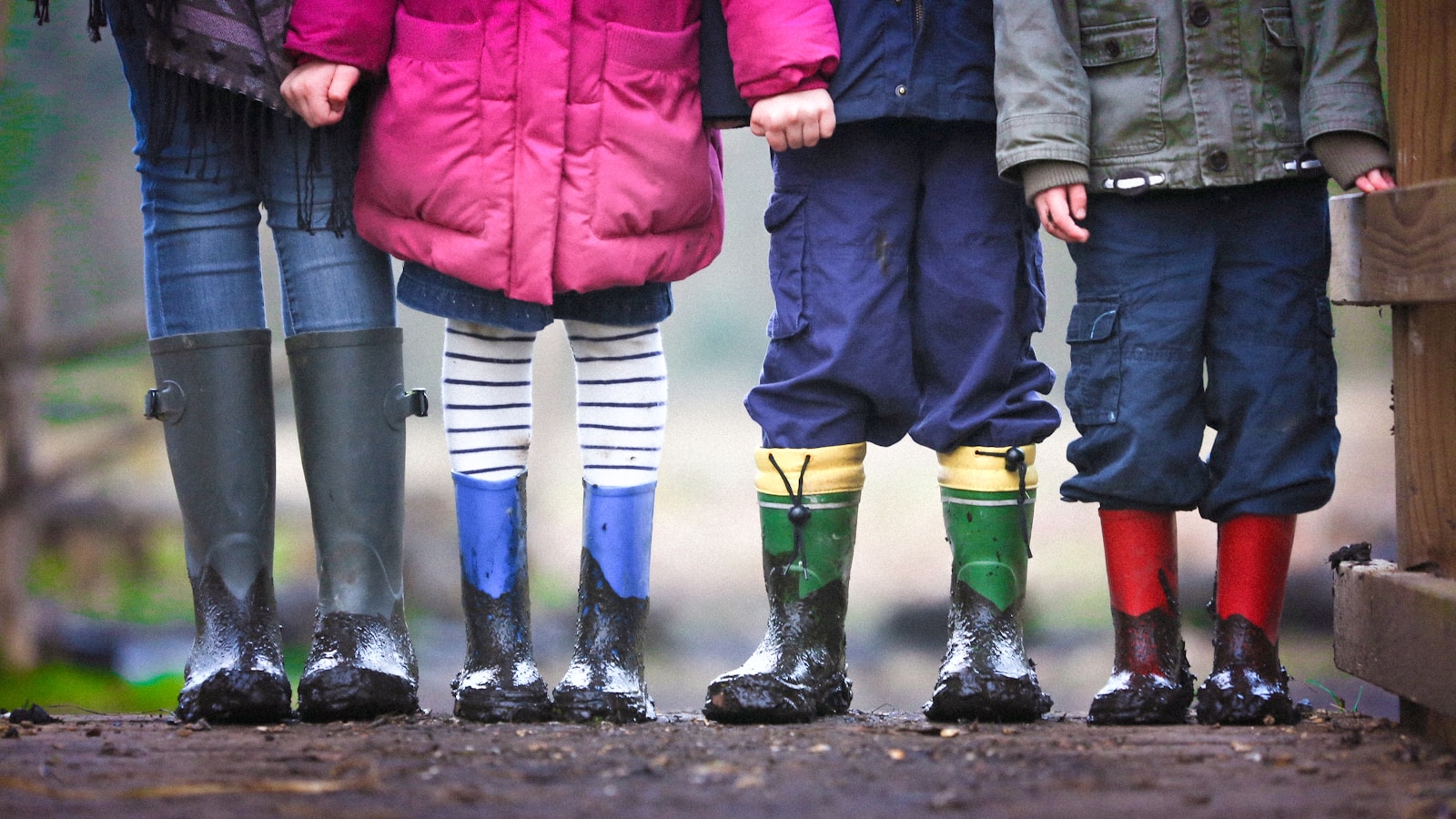
Action Step
Set a timer for 3 minutes. Carry your kid or push the stroller with tall posture the whole time.
Rotate: The "Put This Toy Over There" Twist
Rotation builds trunk control. Translation: it helps your back stop complaining.
Stand tall, hold a light object, rotate your ribcage slowly side to side. Or do controlled "toy transfers" where you move toys from one spot to another without collapsing your posture.
Action Step
Do 10 slow rotations per side while standing tall.
The 12 Minute Living Room Circuit That Actually Fits Real Life
Here is your no drama plan. Set a timer for 12 minutes. Cycle through:
- Squats holding kid: 8 reps
- Incline push ups: 8 to 12 reps
- Backpack hinge: 10 reps
- Carry: 45 seconds
- Rest: 30 seconds
Repeat until the timer ends.
This style works because consistency beats perfection. Adults are recommended to get regular activity weekly, and muscle strengthening work at least two days per week.

Action Step
Do one round today. One. If you feel good, do two. If not, go be a parent.
Progression: Your Kid Will Level Up Without Warning
The funniest part of this plan is that the "weight" increases over time. Your kid grows. Your arms adapt. Your patience maybe adapts.
To progress safely, use these options:
- Add reps first. Then add time. Then add load.
- Slow the tempo. A three second lower turns light weight into real work.
- Use unilateral work. Carry on one side. Lunge holding your kid on the opposite side. Your core will send you a complaint email.
Formal resistance training programs often recommend a couple days per week for beginners, with sensible progression.

Action Step
Pick one move and add one rep to it today. That is it. Tiny progression, big results.
Bonus Benefit: Rough Play Is Not Just Chaos
Physical play can be good for kids, when it is safe and supervised. Research on rough and tumble play suggests links with social and emotional development, like self regulation.[6]
So when you do controlled swings, airplane holds, piggyback walks, and gentle wrestle games, you are not just getting sweaty. You are bonding and teaching body control.
Just do not be reckless. The goal is fun, not a shoulder injury.

Action Step
Pick one "play lift" that your kid enjoys and do it for 60 seconds, then stop while it is still fun.
The Minimum Effective Dose: The Two Day Rule
If your life is a mess, here is the simple target:
- Two strength sessions per week.
- A little more movement most days.
Strength work is associated with meaningful health outcomes. For example, muscle strengthening activity has been linked with lower risk of all cause mortality in large analyses.[1]
Also, resistance training can support blood pressure and metabolic health markers in many populations, based on systematic reviews and meta analyses.[3][4]
Action Step
Put two workouts on your calendar this week. Twelve minutes each. Guard them like the last quiet sip of coffee.
Key Moves
- Carry your kid for 1 minute each side
- Do 2 sets of 8 slow squats holding kid or backpack
- Do 2 sets of 6 to 12 incline push ups
- Do 2 sets of 10 slow hinges with a backpack
- Build a 12 minute circuit and repeat it twice per week
- Progress by adding one rep or one minute, not by doing something dumb
- Use play as conditioning, stop while it is still fun
- Aim for more daily movement through normal life, not just workouts
- Keep it safe, keep it simple, keep showing up
Get after it.
Coach Franco
Disclaimer: This article is general education, not medical advice. If you have pain, medical conditions, or pregnancy or postpartum concerns, consider talking with a qualified health professional before changing your activity.
References
- Momma H, Kawakami R, Honda T, et al. 2022. Muscle strengthening activities and risk of all cause mortality, cardiovascular disease, and cancer: A systematic review and meta analysis of cohort studies. British Journal of Sports Medicine.
- Ashton RE, Tew GA, Aning JJ, et al. 2020. Resistance exercise training and cardiometabolic health: A systematic review with meta analysis. British Journal of Sports Medicine.
- Cornelissen VA, Smart NA. 2013. Exercise training for blood pressure: A systematic review and meta analysis. Journal of the American Heart Association.
- Jiahao L, Zhijian Z, Jiahui L, et al. 2021. Effects of resistance training on insulin sensitivity in the elderly: A meta analysis. International Journal of Endocrinology.
- Tzu wei PH, Kuo AD. 2014. Mechanics and energetics of load carriage during human walking. Journal of Experimental Biology.
- Freeman EE, Fletcher PC, Paquette D. 2022. The relationship between father child rough and tumble play and executive function: An observational study. Frontiers in Psychology.
Ready to Take the Next Step?
Fill out our quick form to get personalized guidance for your fitness journey.
Start Your AssessmentKeep Reading
The Real Guide to Tea. What It Does, When to Drink It, and What to Add
Tea is one of the easiest daily upgrades for energy, recovery, digestion, and sleep. Drink the right one at the right time and you actually feel the difference.
The Exact Tools You Need to Train With Me Online
Your complete online training setup list. WiFi, phone mount, resistance bands, headphones, water bottle, and gym towel for virtual coaching sessions.
You're Working Hard But Missing Easy Wins
Five low-effort health hacks that punch way above their weight. Honey and salt pre-workout, post-meal walks, morning sunlight, protein first, and nasal breathing.