Are You Training Too Much Or Just Recovering Poorly
Most people are not overtraining. They are under sleeping, under fueling, and over stressing. Here is how to tell the difference.
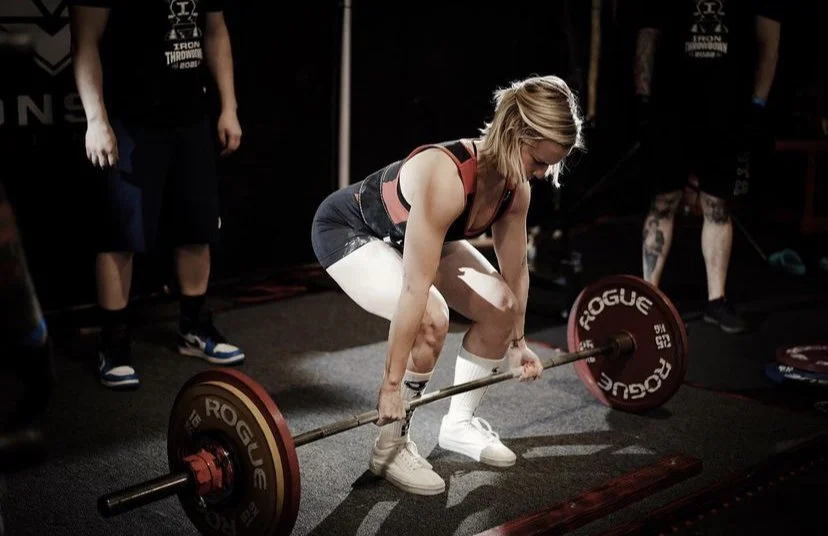
Most people are not overtraining.
They are under sleeping.
Under fueling.
Over stressing.
True overtraining syndrome is rare.
But functional overreaching is common.
Let's break down the difference.
What Real Overtraining Actually Is
True overtraining syndrome is a chronic condition involving:
- Persistent fatigue
- Performance decline for weeks
- Hormonal disruption
- Mood disturbance
- Elevated resting heart rate
- Poor sleep
It usually occurs in high level endurance athletes training at extreme volumes.
Most gym goers are not here.
What most people experience is accumulated fatigue.
That is fixable.
The Warning Signs You Might Be Doing Too Much
1. Performance Is Dropping For Multiple Weeks

One bad workout means nothing.
Two weeks of declining strength despite effort is a signal.
If loads that felt moderate now feel crushing, pay attention.
2. Sleep Is Getting Worse Not Better
Training should improve sleep.
If you are:
- Wired at night
- Waking frequently
- Struggling to fall asleep
- Feeling restless
Your nervous system may be overstimulated.
3. Resting Heart Rate Is Elevated
If your morning resting heart rate is consistently 5 to 10 beats higher than normal, that can signal accumulated stress.
Wearables help here.
Trends matter more than single readings.
4. You Are Irritable and Unmotivated
Chronic fatigue affects mood.
If small things are triggering you and workouts feel like dread instead of challenge, your system may need a deload.
5. Nagging Injuries Keep Appearing

Repeated tendon irritation.
Joint discomfort that does not improve.
Small tweaks becoming constant.
That is often load management failure.
Not weakness.
The Bigger Question
Are you training too much
Or living too stressed
Training stress is only one bucket.
You also have:
- Work stress
- Relationship stress
- Financial stress
- Sleep debt
- Calorie deficits
Your body does not separate them.
Stress is stress.
The Volume Reality
For most recreational lifters:
Three to five strength sessions per week is sustainable.
Ten to twenty hard working sets per muscle group per week is effective for hypertrophy.
More is not always better.
Better is better.
The Fix
1. Take a Deload Week
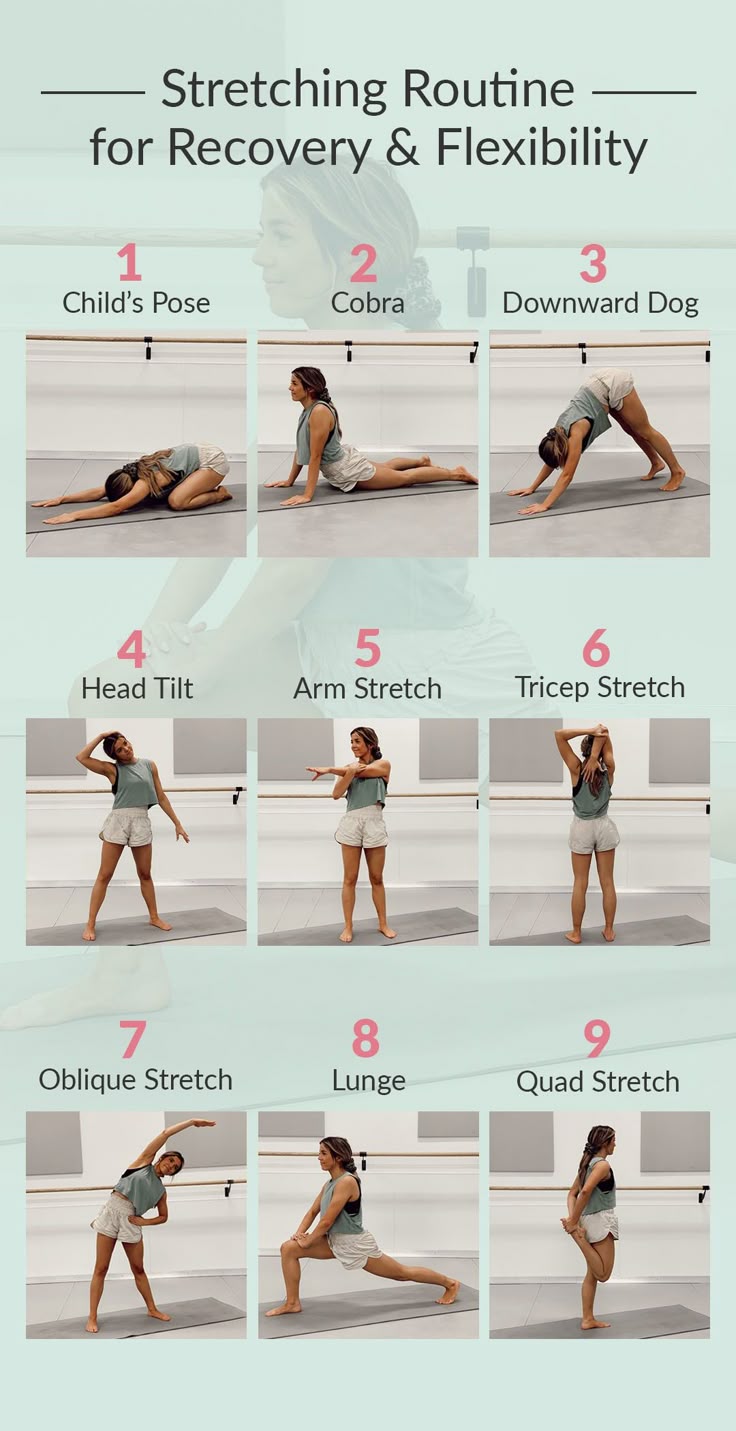
Reduce volume by 30 to 50 percent.
Keep movement quality high.
Let fatigue dissipate.
Deloading is not weakness. It is strategy.
2. Eat More If You Are Cutting Hard
Severe calorie deficits amplify fatigue.
Ensure protein is adequate.
Ensure calories are not excessively low.
3. Sleep Like It Is Training
Seven to nine hours.
Dark room. Cool temperature.
No phone doom scrolling.
Recovery drives adaptation.
4. Track Trends Not Feelings
Monitor:
- Strength trends
- Resting heart rate
- Sleep quality
- Mood
Data beats emotion.
When You Are Not Overtraining
If you are:
- Skipping workouts
- Training inconsistently
- Not progressing because effort is low
You are not overtraining.
You are under committing.
Be honest.
The Franco Rule
If you feel tired but performance is improving, you are adapting.
If you feel tired and performance is declining for weeks, you are accumulating fatigue.
Adaptation requires stress.
But growth requires recovery.
The sweet spot is tension plus restoration.
Not constant exhaustion.
Final Perspective
You should feel challenged.
You should not feel chronically broken.
Train hard.
Recover harder.
And remember:
Intensity builds muscle.
Recovery builds performance.
Get after it.
— Coach Franco
Medical Disclaimer
This article is for informational purposes only and does not constitute medical advice. Always consult a qualified healthcare professional before making changes to your training or recovery protocols, especially if experiencing persistent fatigue or injury.
Ready to Take the Next Step?
Fill out our quick form to get personalized guidance for your fitness journey.
Start Your AssessmentKeep Reading
How To Heal Tendons The Right Way
Tendons do not heal from rest alone. They heal from intelligent loading. Learn The Franco System for tendon healing with isometrics, slow eccentrics, and progressive load.
If You Keep Getting Hurt It Is Not Bad Luck It Is A Capacity Problem
You do not keep getting hurt because of bad luck. You have a capacity gap. Learn The Franco System for building durability with eccentric strength, isometrics, and rotation training.
How to Train With an Injury Without Losing Momentum
Injuries do not ruin progress. Overreactions do. Learn smart adjustments to keep training around injuries without losing momentum or muscle.