Is It Gains or Is It a Strain? Decoding Your Body's Pain Signals
You are not weak. Your body is just communicating.
January 27, 2025 · 6 min read
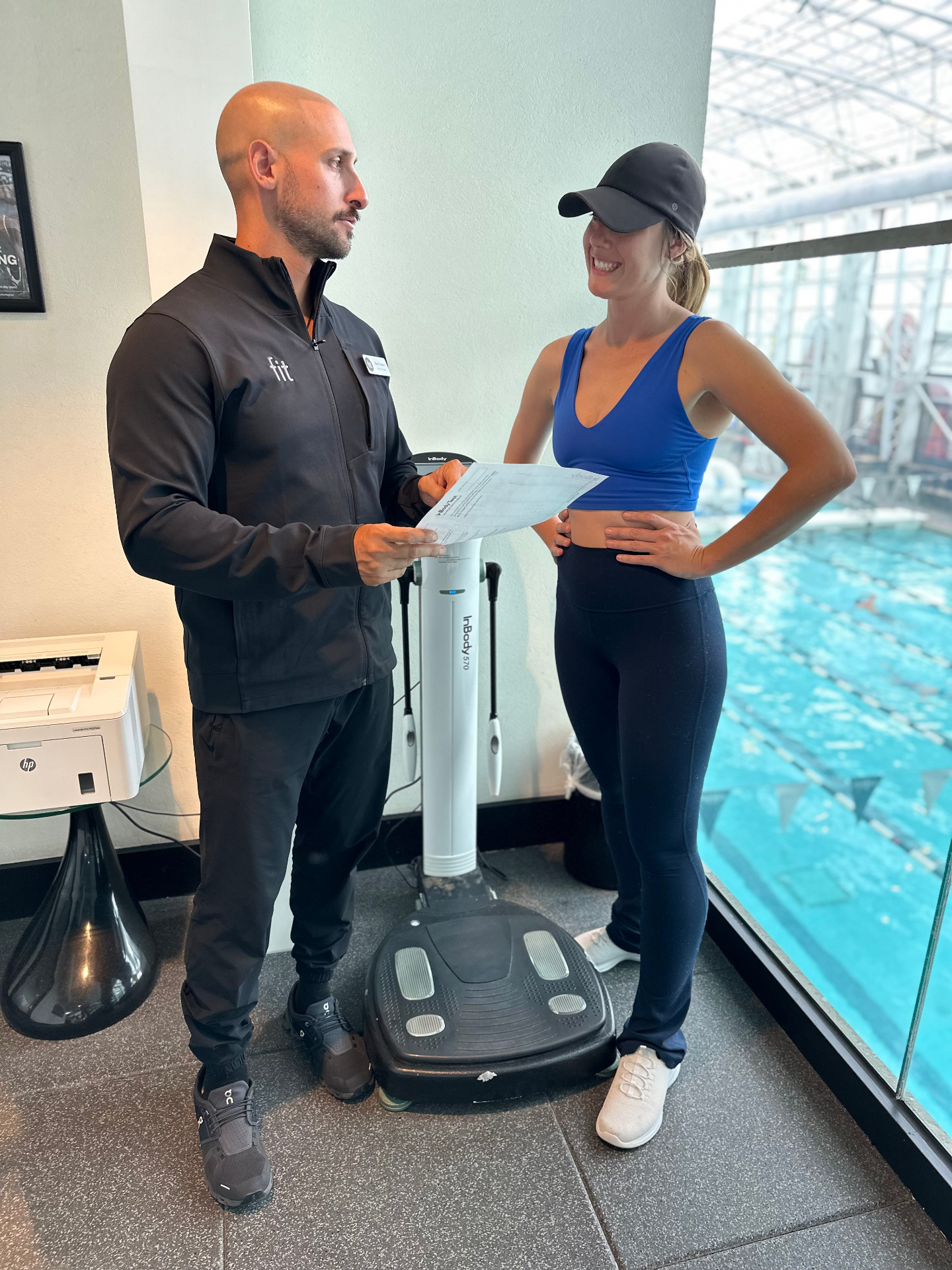
We've all been there. You crush a workout, feel amazing, and then wake up the next day feeling like you've been hit by a truck. It's a common experience, but it can also be confusing. Is this the "good" kind of pain that means your muscles are growing, or is it a warning sign of an injury?
Learning to interpret your body's signals is crucial for long-term progress and avoiding setbacks. If you're constantly second-guessing whether you should push through or rest, this post is for you.
The Difference Between "Good Pain" and "Bad Pain"
There's a big difference between the muscle soreness you feel after a good workout and the pain of an injury.
"Good Pain" (Delayed Onset Muscle Soreness or DOMS)
This is a normal response to exercise. It's caused by microscopic tears in your muscle fibers, which is part of the process of building stronger muscles. It typically feels like a dull, aching sensation that is generalized to the muscles you worked.
"Bad Pain" (Injury)
This is a warning signal. It's often sharp, stabbing, or located in a specific joint or area. It may happen suddenly during exercise or persist and worsen over time.
Quick Reference Guide
| Characteristic | DOMS (Normal) | Injury (Warning) |
|---|---|---|
| Type of Pain | Dull, aching | Sharp, stabbing |
| Location | Muscle belly | Joint or specific point |
| Onset | 24-72 hours after exercise | During or immediately after |
| With Movement | Improves with warm-up | Worsens or limits range |
| Duration | 2-5 days | Persists beyond a week |
The Franco System: Your 2-Minute Body Scan
When you're unsure, use this simple, two-step system to assess your body. It only takes a couple of minutes and can save you from a serious injury.

Step 1: The Passive Check (No Movement)
Sit or lie down in a comfortable position and mentally scan your body.
- Is the pain sharp or dull? Sharp pain is a red flag.
- Is the pain in a muscle or a joint? Muscle pain is usually okay; joint pain is a warning.
- Is it on both sides or just one? Bilateral soreness (e.g., both quads ache) is common with DOMS. Unilateral pain (e.g., only your left shoulder hurts) is more likely an injury.
Step 2: The Active Check (Gentle Movement)
Now, gently move the body part that is sore. This is a great way to test your range of motion and see how the pain responds.
- Does it improve with light movement? DOMS often feels better after a warm-up or light stretching.
- Does it get worse? If the pain increases with movement or you have a limited range of motion, it's a sign to stop and rest.
The Bottom Line
Listen to your body. It's the best coach you'll ever have.
When it's soreness:
Keep moving! Active recovery like walking, swimming, or light stretching can help speed up the healing process.
When it's an injury:
Stop the activity that's causing the pain. Rest, ice, and consult a medical professional if the pain is severe or persistent.
Ignoring the warning signs is a shortcut to being sidelined. By using this simple system, you can train smarter, recover faster, and keep making progress.
Get after it.
Coach Franco
Ready to Take the Next Step?
Fill out our quick form to get personalized guidance for your fitness journey.
Start Your AssessmentKeep Reading
The Real Guide to Tea. What It Does, When to Drink It, and What to Add
Tea is one of the easiest daily upgrades for energy, recovery, digestion, and sleep. Drink the right one at the right time and you actually feel the difference.
The Exact Tools You Need to Train With Me Online
Your complete online training setup list. WiFi, phone mount, resistance bands, headphones, water bottle, and gym towel for virtual coaching sessions.
You're Working Hard But Missing Easy Wins
Five low-effort health hacks that punch way above their weight. Honey and salt pre-workout, post-meal walks, morning sunlight, protein first, and nasal breathing.