How To Heal Tendons The Right Way
Stop resting them into weakness
Your knee hurts.
Your elbow aches.
Your Achilles feels tight every morning.
So you rest it.
A week goes by.
It feels better.
You load it again.
Boom. It flares.
Sound familiar?
Here is the truth.
Tendons do not heal from rest alone.
They heal from intelligent loading.
If you keep resting every time something hurts, you are not healing it.
You are deconditioning it.
First, Understand This
Muscle adapts fast.
Tendon adapts slow.
Muscle strength can improve in weeks.
Tendon remodeling often takes months.
If your muscle gets strong faster than your tendon adapts, you create irritation.
That irritation is not a tear.
It is overload without adaptation.
The Franco System For Tendon Healing
1. Isometrics Calm Pain Fast
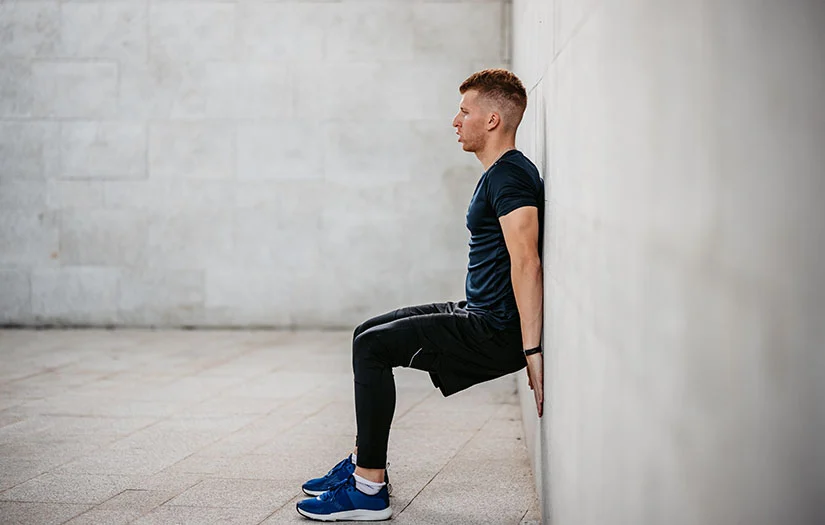
Isometrics are your first tool.
They reduce pain sensitivity and improve tendon load tolerance without excessive movement.
Examples:
- Wall sit hold
- Split squat hold
- Heel dig hamstring bridge hold
- Calf raise hold
The Fix:
30 to 45 second holds
4 to 5 sets
Pain no higher than 3 out of 10
Do this 3 to 5 days per week.
If pain spikes after, you went too hard.
2. Slow Eccentrics Remodel Tissue

Tendons respond extremely well to slow lowering.
Four second descent.
Controlled return.
Examples:
- Slow RDL
- Slow split squat
- Slow calf raise
- Slow lateral lunge
The Fix:
3 sets of 8
Four second lowering
Twice per week minimum
This is where real remodeling happens.
(And resistance bands make it safer and more controlled.)
The Tool That Helps Most Clients
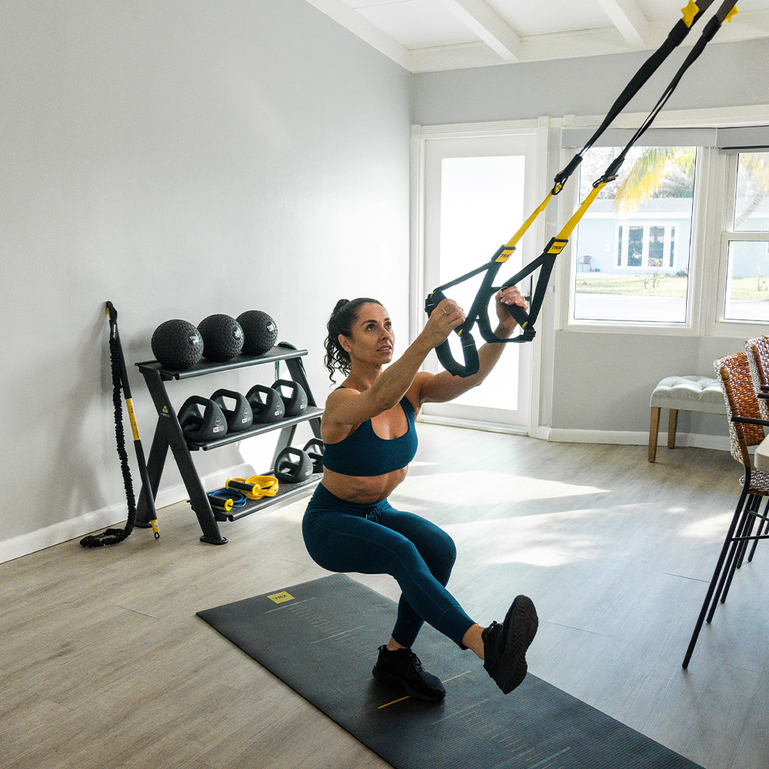
For tendon healing, resistance bands let you progress tension without loading joints awkwardly.
Recommended option: Fit Simplify Resistance Loop Exercise Bands
Use them for:
- Controlled band hamstring curls
- Eccentric calf raises
- Shoulder external rotation
- Band resisted split squat lowers
Resistance bands let you build tendon strength without heavy weights.
That is exactly what healing requires.
3. Progressive Load Is Mandatory
If you never increase load, tendon never adapts.
If you increase load too fast, tendon flares.
You need progression without ego.
The Fix:
Increase resistance or reps 5 percent per week.
Or add one extra rep per session.
Not both.
Small increases. Big long term gains.
4. Rest Alone Is Not Recovery
Complete rest decreases tendon stiffness and strength.
That makes it more vulnerable when you return.
Active recovery beats inactivity.
The Fix:
Light movement daily.
Blood flow work.
Walk.
Cycle.
Controlled range of motion.
Movement is medicine.
What Does NOT Heal Tendons
- Stretching aggressively
- Massage guns on high intensity
- Complete rest for weeks
- Random high intensity return
These feel productive.
They are not.
Progress comes from controlled, progressive load.
The Reality Check
If your tendon has been irritated for months, expect months of smart loading.
Not days.
The people who heal fastest are not the ones who stop training.
They are the ones who load correctly and consistently.
No spikes.
No ego jumps.
No all-or-nothing thinking.
Quick Tendon Healing Checklist
- ✔ Pain under 3 out of 10
- ✔ Long isometric holds
- ✔ Four second lowering tempo
- ✔ Small weekly progression
- ✔ No complete shutdown
Tendon healing is boring.
But boring builds resilience.
If you keep flaring, it is not because you are broken.
It is because your loading strategy is wrong.
Fix the strategy.
Get after it.
— Coach Franco
Medical Disclaimer
This article is for informational purposes only and does not constitute medical advice. Always consult a qualified healthcare professional before making changes to your training program.
Ready to Take the Next Step?
Fill out our quick form to get personalized guidance for your fitness journey.
Start Your AssessmentKeep Reading
If You Keep Getting Hurt It Is Not Bad Luck It Is A Capacity Problem
You do not keep getting hurt because of bad luck. You have a capacity gap. Learn The Franco System for building durability with eccentric strength, isometrics, and rotation training.
Are You Training Too Much Or Just Recovering Poorly
Most people are not overtraining. They are under sleeping, under fueling, and over stressing. Learn the difference and how to fix it.
How to Train With an Injury Without Losing Momentum
Injuries do not ruin progress. Overreactions do. Learn smart adjustments to keep training around injuries without losing momentum or muscle.