How to Actually Use Your Wearable to Get Fitter
Your wearable is not magic. But it can absolutely make you fitter.
February 1, 2026 · 14 min read
If you have an Apple Watch, a Garmin, or an Oura Ring, congrats. You bought a tiny computer that can either help you level up, or quietly judge you while you sit.
Most people use wearables like this
They check calories, feel proud, eat a cookie, and call it science.
We are not doing that.
We are going to use your wearable for what it is actually good at
- Tracking trends
- Building habits
- Keeping you honest
And we are going to ignore what it is not good at
- Being a perfect calorie calculator
- Reading your heart rate perfectly during every chaotic workout
- Diagnosing anything medical
What your wearable is actually good at
Here is the big idea: Wearables are best at patterns over time, not perfection in one moment.
Evidence point 1: Apple Watch has been studied across lots of health metrics, and heart rate bias can be small on average, but the limits of agreement still mean real world variability exists, especially person to person.[1]
Evidence point 2: Apple Watch heart rate tends to be very good during lower intensity work, and can get worse as intensity increases.[2]
Evidence point 3: A review of Garmin activity trackers found steps are usually the strongest metric, with lower validity showing up for things like distance, energy expenditure, and heart rate across studies.[3]
Evidence point 4: Oura can be solid for overnight heart rate and HRV compared with ECG, when you are asleep and not moving much.[4]
Evidence point 5: Oura Gen 3 sleep staging shows good agreement for global sleep measures compared with polysomnography, but it still is not a perfect sleep lab.[5]
Action Step
Pick one metric you want to improve for the next 14 days: sleep time, steps, or resting heart rate trend. Only one. More than one and your brain will quit on day three.
Apple Watch, Garmin, Oura Ring: who wins at what
This is the part where people want me to crown a champion.
Wrong sport.
Different tools, different jobs.
Apple Watch
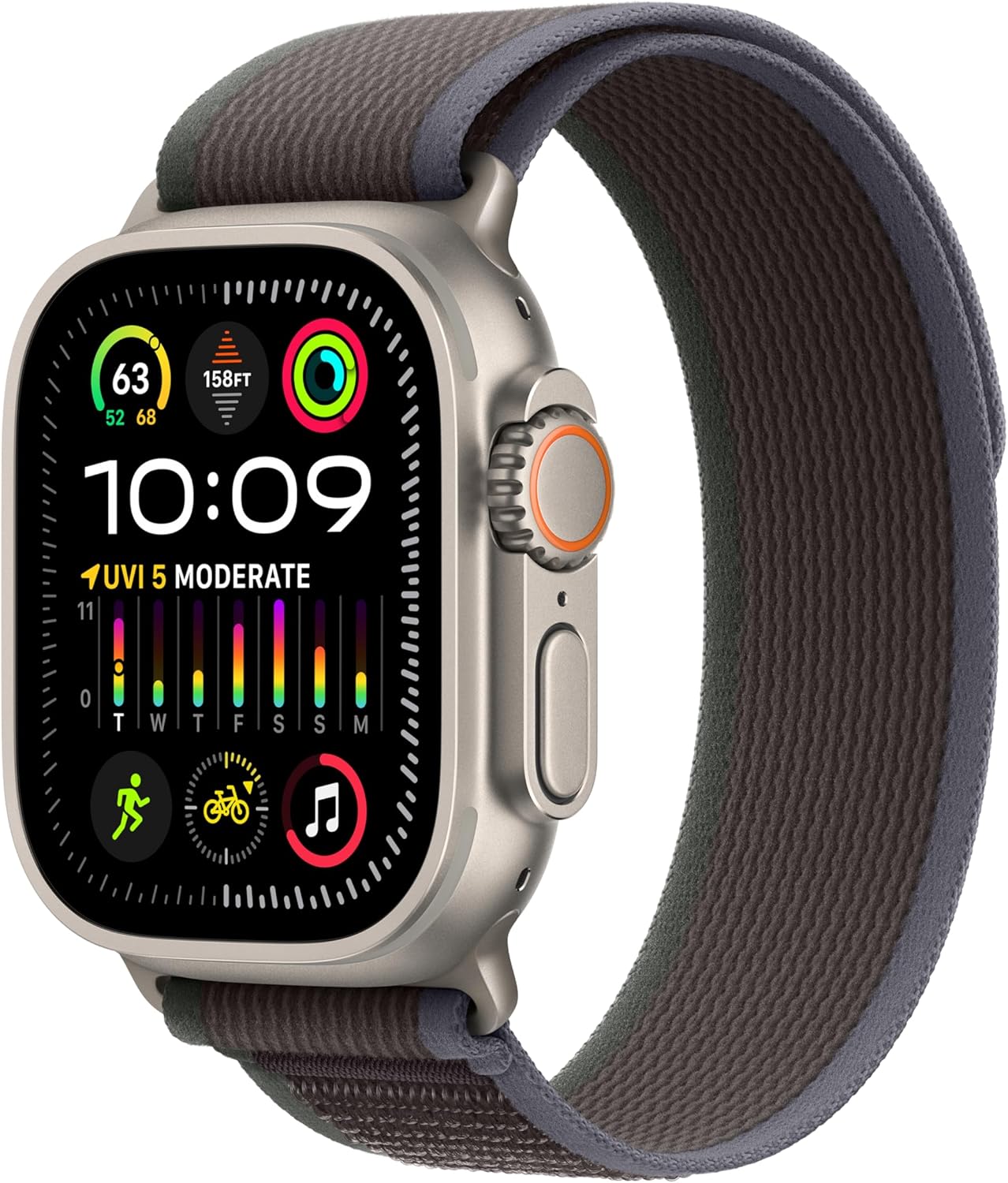
Best at:
- Daily habit tracking
- General workout tracking
- A strong ecosystem if you use iPhone stuff all day[1]
Not best at:
- Hard interval heart rate perfection
- Calorie burn truth
Action Step
Turn on only the notifications that improve your life: calls, texts, calendar, and your training app. Everything else is your watch stealing your focus and calling it productivity.
Garmin
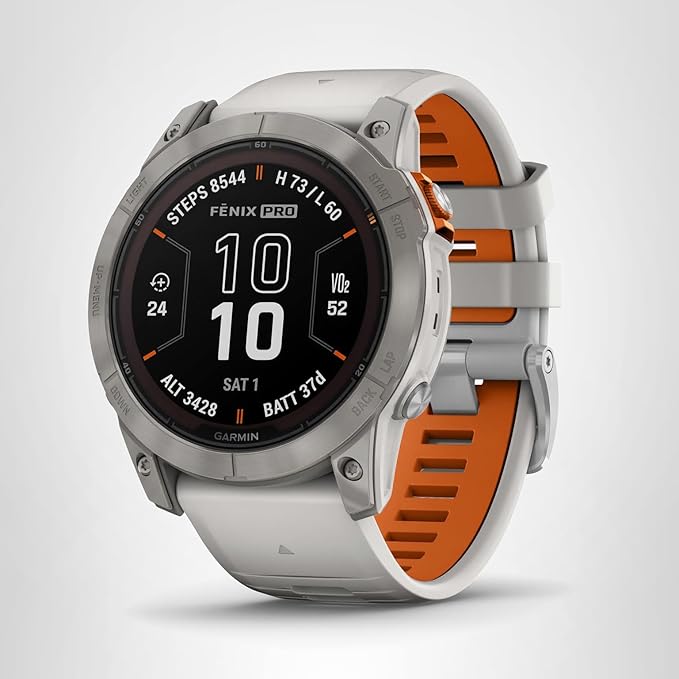
Best at:
- Training focused features and sports modes
- GPS heavy stuff like running, cycling, hiking
- Battery life that does not require daily begging
Not best at:
- Assuming every metric is equally valid
- Even the review literature suggests steps are generally stronger than distance, energy expenditure, and heart rate[3]
Action Step
If you do cardio, set up heart rate zones once. Then stop guessing what "easy" means.
Oura Ring
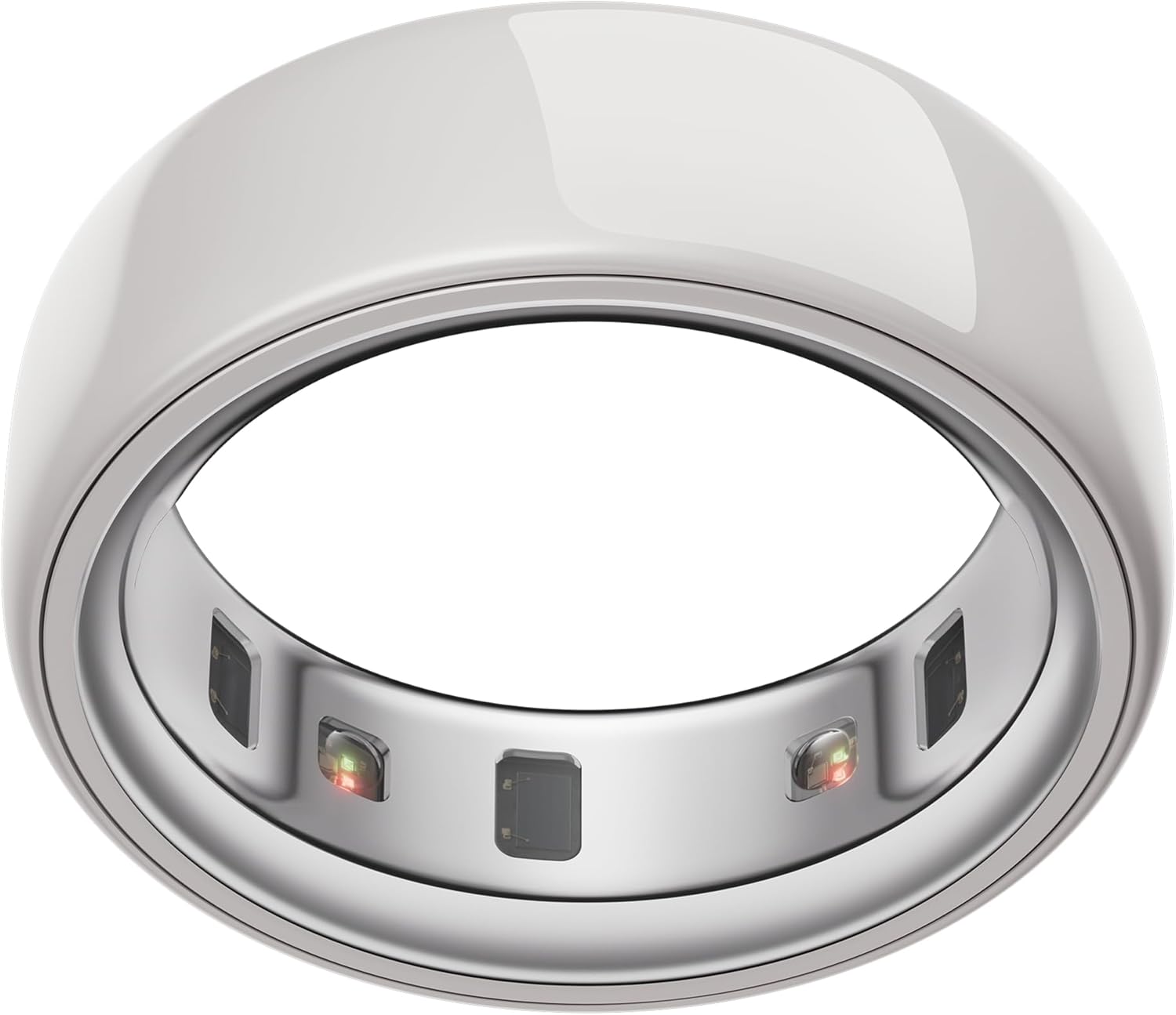
Best at:
- Sleep and recovery trends
- Overnight resting heart rate and HRV patterns[4]
Not best at:
- Being your training watch during intense workouts
- Giving you perfect sleep stages every night, even though overall agreement for global measures can be good[5]
Action Step
Wear it every night for 14 nights before you start making big conclusions.
Wear it correctly or do not complain about the data
Most wearable problems are not tech problems. They are user problems.
Wrist wear rules
- Put the watch one to two finger widths above the wrist bone
- Tight enough that it does not slide when you move
- Warm skin reads better than cold skin
- If you do intervals, do a two minute warm up before you judge the heart rate
This matters because even in validated studies, accuracy can drop at higher intensities, and motion is the enemy of clean optical heart rate.[2]
Ring wear rules
- Snug fit
- If it spins, it will get noisy
- Wear it on a finger that stays stable while you sleep
- If you are a wild sleeper, expect some artifact and focus on trends
Action Step
Do a one workout test: wear your watch correctly and compare it to how you usually wear it. You will feel the difference and your data will show it.
The calorie burn number is a liar with good branding
Let me save you years of confusion.
Calories burned on a wearable is an estimate built from heart rate, movement, and your profile data. It is not a metabolic cart.
A study comparing Apple Watch and Garmin Forerunner 935 during a high movement training scenario looked at energy expenditure validity and it was not the kind of agreement that should make you treat wearable calories as gospel.[6]
So how should you use it?
Use calories as a rough consistency metric. Not a permission slip to eat like a raccoon.
Action Step
If you want fat loss, do this instead of chasing calorie burn: Track steps for 7 days. Track body weight trend for 14 days. Keep workouts consistent. Adjust food based on the trend, not based on a single workout calorie number.
The simple weekly system that makes wearables actually useful
I want your wearable to answer three questions every week.
1. Did you move enough outside the gym?
Steps are boring. Steps work.
If you lift four days a week but sit like a statue the rest of the time, your body is going to look like you lift four days a week and sit like a statue the rest of the time.
Action Step
Pick a daily step floor you can hit six days per week. Example: 8000. If you are currently at 4000, do 6000 first. Win the week, then level up.
2. Are you recovering or just collecting fatigue?
Look at resting heart rate trend and sleep duration trend.
Overnight heart rate and HRV are areas where Oura has validation work comparing it to ECG, which supports using it as a recovery trend tool.[4]
Action Step
Make a simple morning note for 7 days: Sleep hours. Resting heart rate trend. How you feel, 1 to 5. That is enough to make better training decisions.
3. Is your cardio intensity matched to reality?
Heart rate zones help, but your body still gets a vote.
Apple Watch heart rate can be very good at lower intensities, and less valid as intensity climbs, so do not let one weird reading derail your session.[2]
Action Step
On your next cardio session, use both: heart rate zone and RPE (how hard it feels). If they disagree wildly, adjust and move on.
Sleep tracking: useful, not divine revelation
Sleep staging is improving, but it is still not a lab.
Oura Gen 3 has research showing good agreement with polysomnography for global sleep measures and some stage durations, which is impressive for a ring.[5]
But here is the mistake: People obsess over whether they got 1 hour 12 minutes of deep sleep.
Instead, look at:
- Bedtime consistency
- Total sleep time
- How you feel in the morning
- Resting heart rate trend
Action Step
Pick a bedtime target and protect it for 10 nights. Not perfect, just protected. Your sleep score will follow your behavior, not your wishes.
Wearables I Trust
If you are looking to get a wearable that actually works, here are the ones I personally use and recommend:
Oura Ring 4
Best for sleep and recovery tracking. Light, comfortable, and tracks what matters overnight.
View on AmazonApple Watch Ultra 2
Best for daily habits and workout tracking. Rugged, long battery, great ecosystem.
View on AmazonKey Moves
- Use wearables for trends, not perfection
- Trust steps, resting heart rate trend, and sleep schedule patterns more than calorie burn
- Wear the device correctly or your data will be messy
- Do a 7 minute weekly review every Sunday
- Pick one lever per week and win it
Ready to Take the Next Step?
Fill out our quick form to get personalized guidance for your fitness journey.
Start Your AssessmentKeep Reading
4 Ways AI & Smart Tech Are Leveling Up Online Coaching
Discover how smart tools, AI, and wearables are making coaching more precise, scalable, and effective.
The Real Guide to Tea. What It Does, When to Drink It, and What to Add
Tea is one of the easiest daily upgrades for energy, recovery, digestion, and sleep. Drink the right one at the right time and you actually feel the difference.
The Exact Tools You Need to Train With Me Online
Your complete online training setup list. WiFi, phone mount, resistance bands, headphones, water bottle, and gym towel for virtual coaching sessions.
Disclaimer
This content is for educational purposes only and does not constitute medical advice. The information provided should not be used for diagnosing or treating any health problem. Always consult with a qualified healthcare provider before making changes to your health routine.
References
- Lambe R, Baldwin M, O Grady B, Schumann M. 2026. The accuracy of Apple Watch measurements: a living systematic review and meta analysis. npj Digital Medicine.
- Khushhal A, Nichols S, Evans W, et al. 2017. Validity and reliability of the Apple Watch for measuring heart rate during exercise. Sports Medicine International Open.
- Evenson KR, Spade CL. 2020. Review of validity and reliability of Garmin activity trackers. International Journal of Behavioral Nutrition and Physical Activity.
- Stone JD, Ulman HK, Tran K, et al. 2021. Assessing the accuracy of popular commercial technologies that measure resting heart rate and heart rate variability. Frontiers in Sports and Active Living.
- Altini M, Kinnunen H. 2021. The promise of sleep: A multi-sensor approach for accurate sleep stage detection using the Oura Ring. Sensors.
- Gilgen-Ammann R, Schweizer T, Wyss T. 2019. Accuracy of the Multisensory Wristband Garmin Forerunner 935 for Running and Cycling. IJSPP.