How to Bulk Correctly Without Turning Into a Puffy Mess
Bulking is a controlled calorie surplus with progressive strength training. Not eating everything in sight. Here is the system.
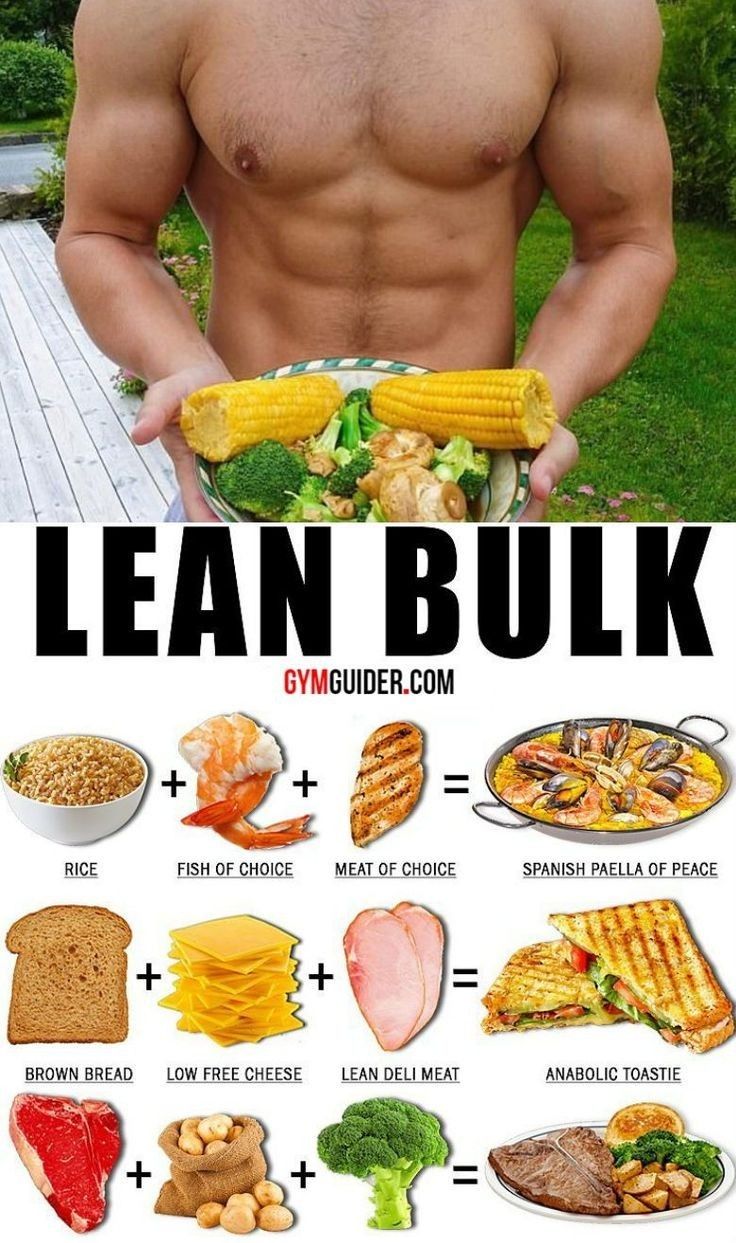
You want size.
Not a moon face.
Not a gut.
Not a 20 lb "bulk" that takes 6 months to undo.
Bulking is simple.
But most people screw it up.
Let's fix that.
First: What Bulking Actually Is
Bulking is not eating everything in sight.
Bulking is a controlled calorie surplus with progressive strength training.
That's it.
Muscle growth requires:
- Mechanical tension
- Progressive overload
- Enough protein
- Enough calories
- Recovery
Everything else is noise.
The Franco System for Lean Bulking
Here's the structure I use and teach.
1. Small Surplus Wins
If you're gaining more than 0.5 to 1 lb per week, you're likely adding unnecessary fat.
Target:
- 200 to 300 calories above maintenance
- Track weekly scale average
- Adjust slowly
You are building tissue, not speed running obesity.
2. Protein Is Non Negotiable
You need:
0.7 to 1 gram per pound of bodyweight daily.
If you weigh 180 lbs:
You need roughly 130 to 180g protein daily.
If you can't hit that consistently through food, supplement strategically.
A solid whey option: Optimum Nutrition Gold Standard Whey
Simple. Tested. Gets the job done.
3. Train Like You Mean It
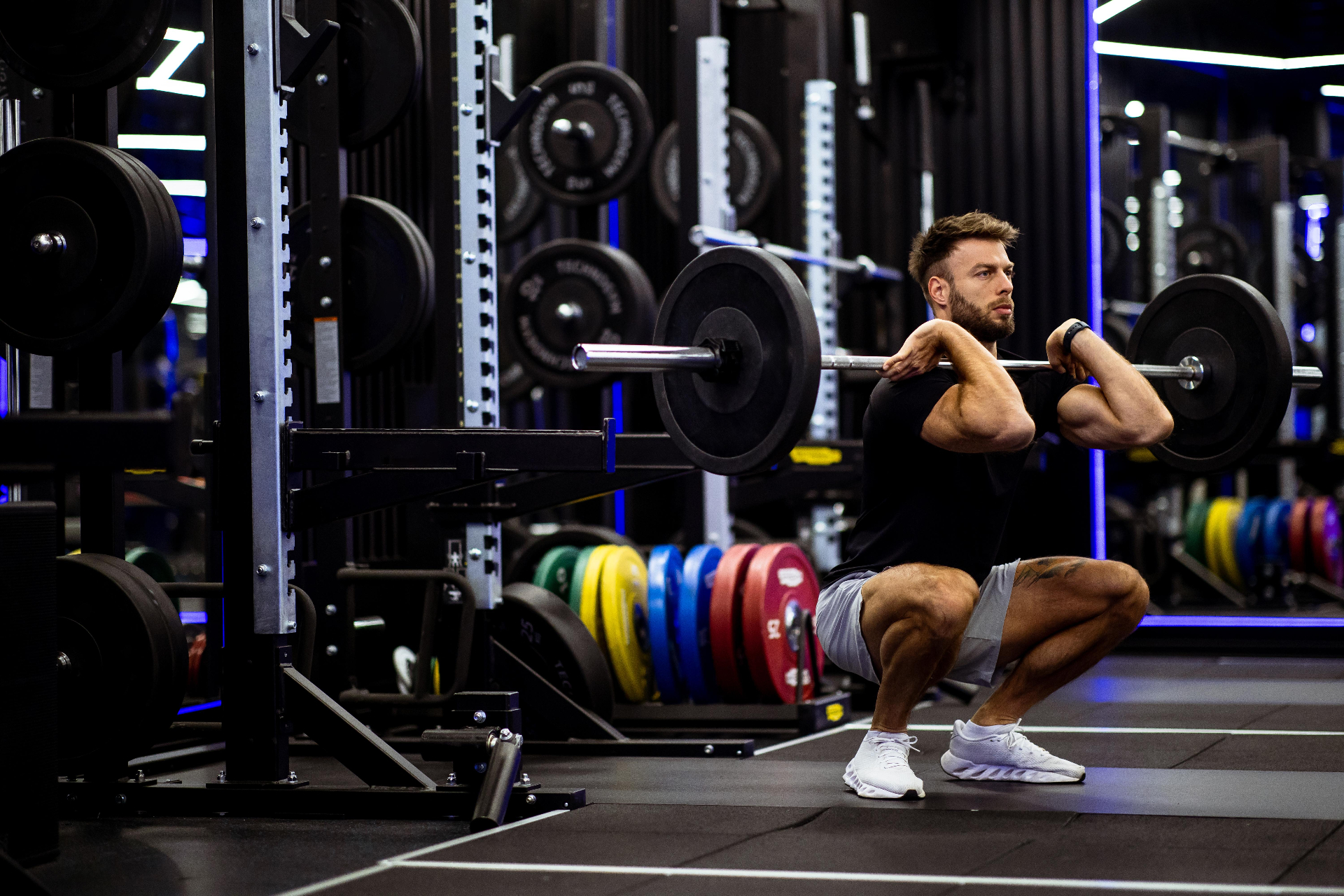
Bulking without intensity is just eating.
You need:
- Progressive overload
- 6 to 12 rep hypertrophy focus
- 10 to 20 hard sets per muscle group weekly
- Log your lifts
If your lifts aren't going up over 8 to 12 weeks, your bulk isn't working. Period.
4. Control the Carbs
Carbs fuel growth.
But dumping junk carbs all day leads to sloppy fat gain.
Best approach:
- High carbs around training
- Moderate carbs on rest days
- Focus on rice, potatoes, oats, fruit
Your bulk should feel athletic, not bloated.
5. Track Your Intake Like an Adult
If you aren't tracking, you're guessing.
Use a food scale: Etekcity Food Kitchen Scale
Precision removes emotion from bulking.
6. Keep Cardio In
Yes. Even while bulking.
2 to 3 short conditioning sessions weekly:
- Incline walking
- Sled pushes
- Bike intervals
This keeps insulin sensitivity high and fat gain lower.
7. Know When To Stop
Bulking forever is lazy.
A good bulk lasts: 8 to 16 weeks.
After that:
- Mini cut
- Maintenance phase
- Assess progress
How To Know If You're Doing It Wrong
- 🚩 You're gaining more than 1 lb per week
- 🚩 Waist measurement climbing rapidly
- 🚩 Strength not improving
- 🚩 You feel sluggish and inflamed
- 🚩 You stopped training hard
That's not a bulk. That's overeating.
Realistic Expectations
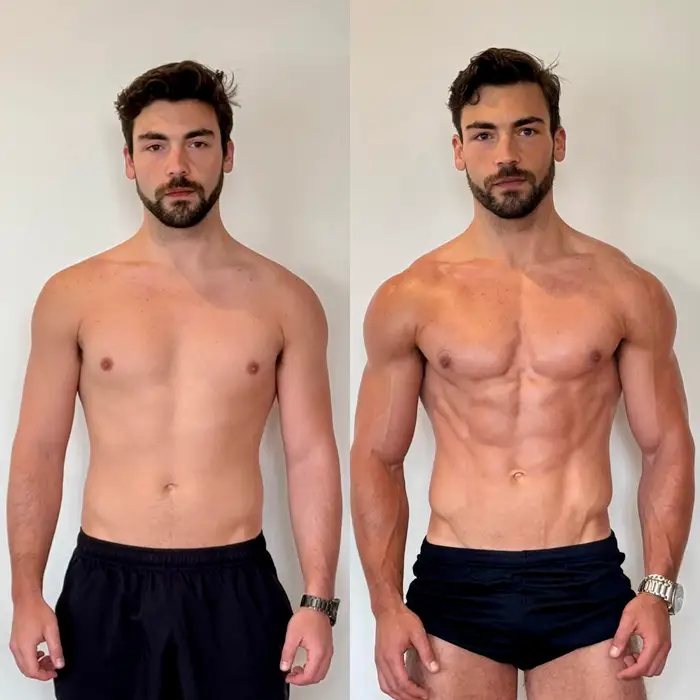
If you are natural:
You will not gain 20 lbs of muscle in one year.
In your first serious year of training:
- 10 to 20 lbs muscle possible
After that:
- 5 to 10 lbs per year
- Then 2 to 5 lbs per year
Growth slows. That's biology.
The Checklist
Before you say you're "bulking," ask:
- ✔ Am I in a controlled surplus?
- ✔ Am I training with progression?
- ✔ Am I hitting protein daily?
- ✔ Am I sleeping 7 to 9 hours?
- ✔ Am I tracking weekly averages?
If yes, keep going.
If not, fix it.
Final Truth
Bulking correctly feels disciplined.
Not chaotic.
Not sloppy.
Not indulgent.
You are building a physique brick by brick.
Not binge by binge.
Get after it.
— Coach Franco
Medical Disclaimer
This article is for informational purposes only and does not constitute medical advice. Always consult a qualified healthcare professional before making changes to your nutrition or training program.
Ready to Take the Next Step?
Book a free strategy call. We'll figure out what your body needs and whether live training is a fit.
Book Your Free Strategy CallPrefer to start in writing? Fill out the intake form
Keep Reading

The Science of Food Tracking: Why It Works, Why People Quit, and How We Fixed It
Peer-reviewed research shows food tracking can double weight loss — yet most people quit within weeks. Here's the science, the psychology of quitting, and how my clients' photo-logging app removes the part that makes people quit.

What Sitting All Day Is Actually Doing to Your Hips and Back
Nine hours in a chair quietly reshapes your hips, shuts off your glutes, and loads your spine more than standing ever does — and one workout doesn't cancel it. Here's the damage, and how to undo it.

Knee Pain 101: What It Is, Why It Happens, and What Actually Helps
Knee pain is the most common joint complaint there is — and the most misunderstood. Learn what the different types feel like, why they happen, and why the fix is almost never rest.