Your Muscles Aren't Stuck. You're Just Tight and Not Taking Care of Them.
Muscle does not just grow from training. It grows from recovery.
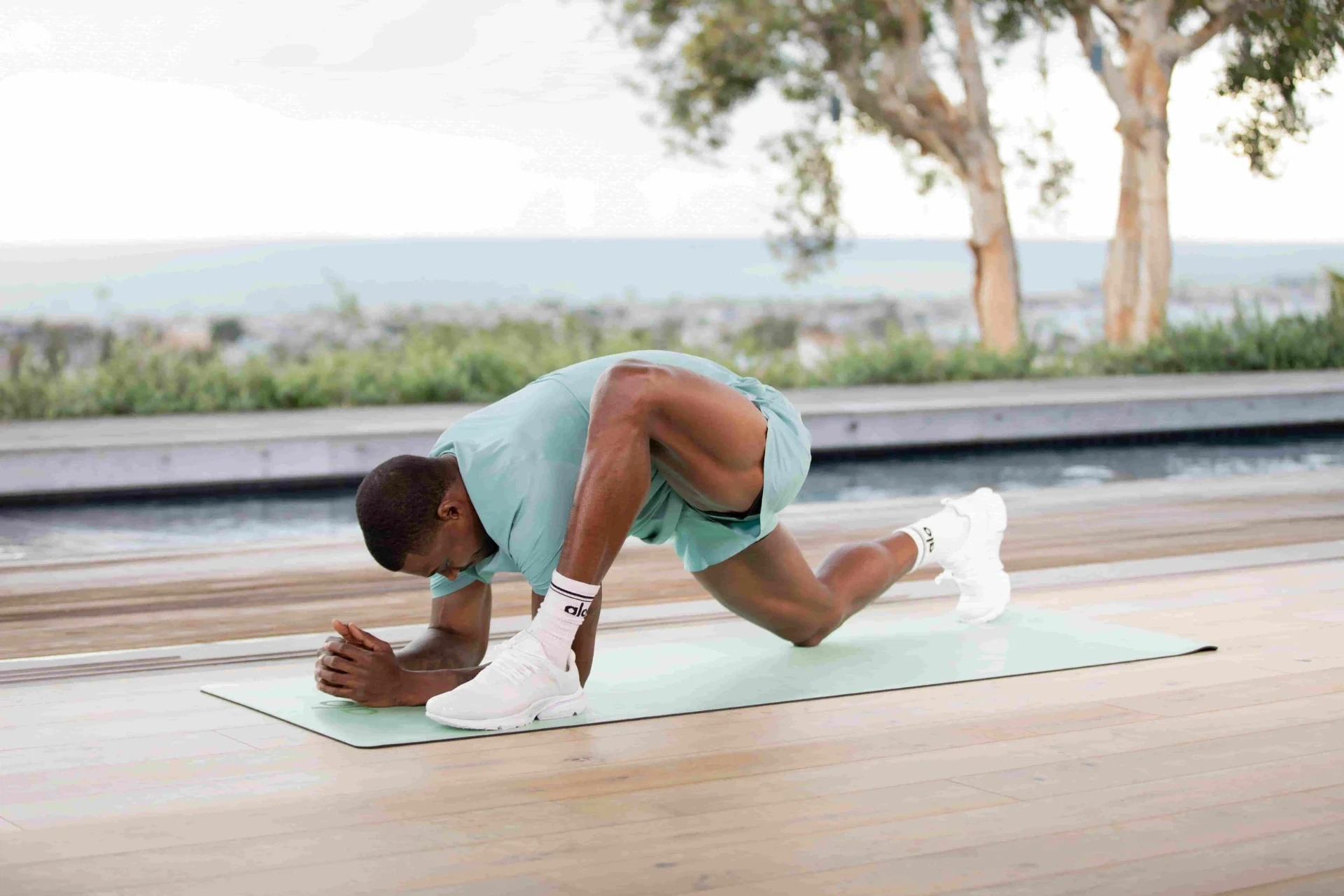
You train hard.
You lift heavy.
You chase progressive overload like it is your religion.
But your body feels stiff.
Range of motion sucks.
Pumps are mid.
Little aches keep popping up.
Here is the truth most lifters ignore:
Muscle does not just grow from training.
It grows from recovery.
And routine body work is one of the most underrated growth tools you are probably skipping.
The Real Problem
You are building strength on top of tension.
Tight tissue limits:
- How much muscle you can recruit
- How deep you can train safely
- How well nutrients reach the muscle
- How fast you recover between sessions
So you keep lifting with:
- Shortened muscles
- Sticky fascia
- Restricted joints
- Compensations you do not feel until something hurts
That is like trying to build horsepower with the parking brake on.
The Franco System: Body Work for Growth
1. Tissue Quality = Muscle Potential
If the muscle cannot lengthen and contract fully, you cannot train it fully.
Body work improves:
- Blood flow
- Neural signaling
- Fascial glide
- Joint positioning
That means:
Better contractions. Better pumps. Better mind to muscle connection. Better stimulus per set.
The same workout hits harder.
2. Mobility Unlocks Strength
Most "strength limits" are mobility limits.
Tight hips. Stiff thoracic spine. Locked up shoulders.
These force your body to:
- Shift load to the wrong muscles
- Avoid full ranges
- Leak force
Routine body work restores joint mechanics so you can:
Squat deeper. Press stronger. Hinge cleaner. Pull without irritation.
Strength goes up because your structure works again.
3. Fascia Health = Growth Environment
Fascia is the web that wraps your muscles.
When it gets stiff:
- Movement gets restricted
- Muscles cannot expand fully
- Tension builds in the wrong places
Good body work:
- Hydrates fascia
- Improves elasticity
- Reduces chronic tightness
Muscles can expand, contract, and recover better. That supports hypertrophy long term.
4. Recovery Speed Multiplies Gains
Growth happens between sessions.
Body work:
- Reduces soreness
- Improves circulation
- Clears metabolic waste
- Down regulates stress
So instead of feeling beat up for three days, you are ready to train again sooner.
More quality sessions = more growth opportunities.
The Fix
Add scheduled body work like it is part of your program, not a luxury.
Minimum effective dose:
- One professional session every two to four weeks
- Ten to fifteen minutes daily self work
- Five minute mobility between sets on tight areas
Consistency beats intensity.
Do Say / Don't Say
Don't say:
"I will stretch when I feel tight."
Do say:
"I maintain tissue quality like I maintain strength."
Don't say:
"Massage is just relaxation."
Do say:
"Body work is performance maintenance."
Best Types of Body Work for Lifters
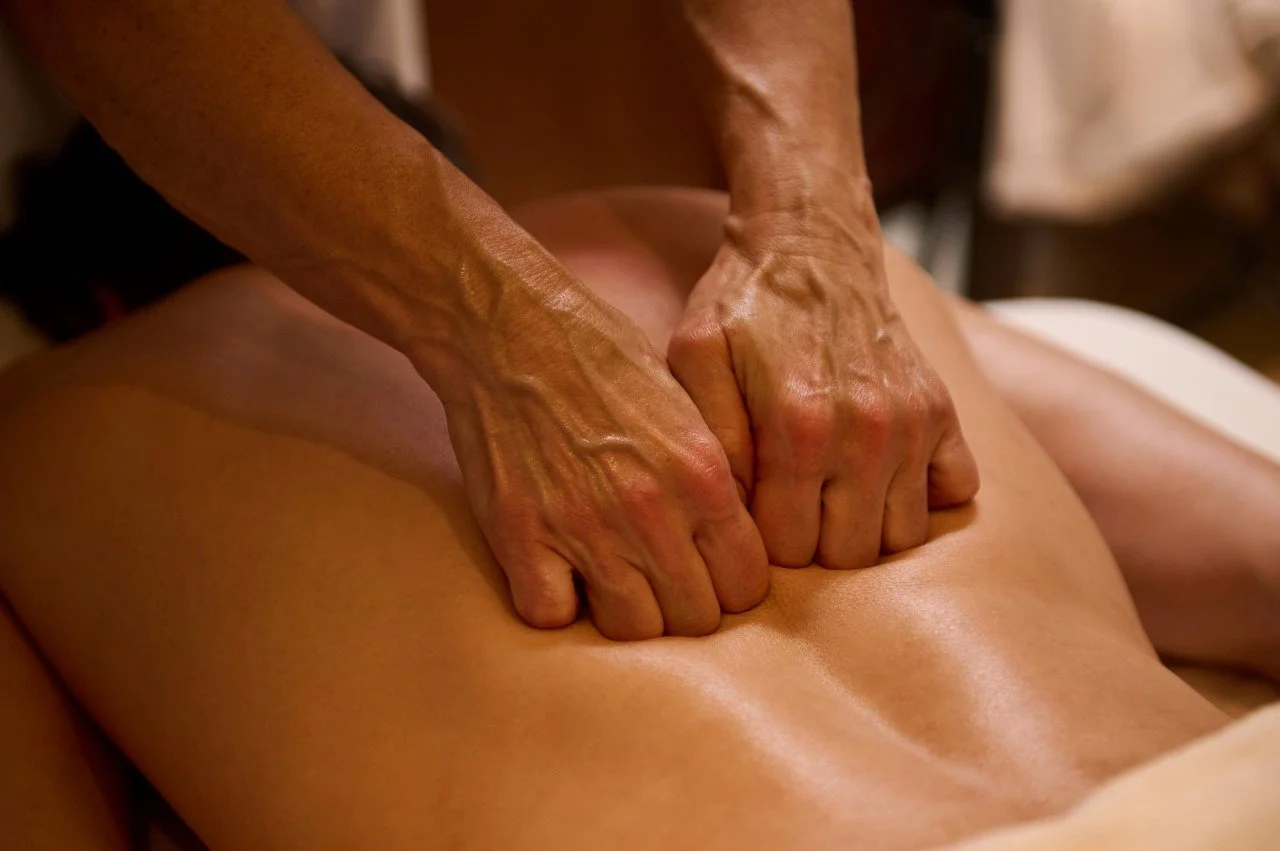
- Sports massage
- Deep tissue massage
- Myofascial release
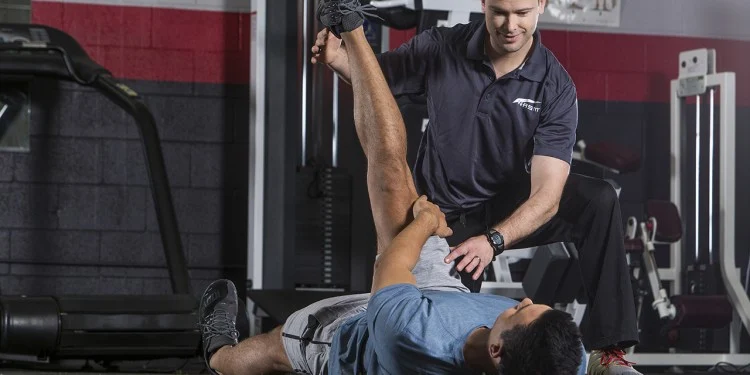
- Assisted stretching
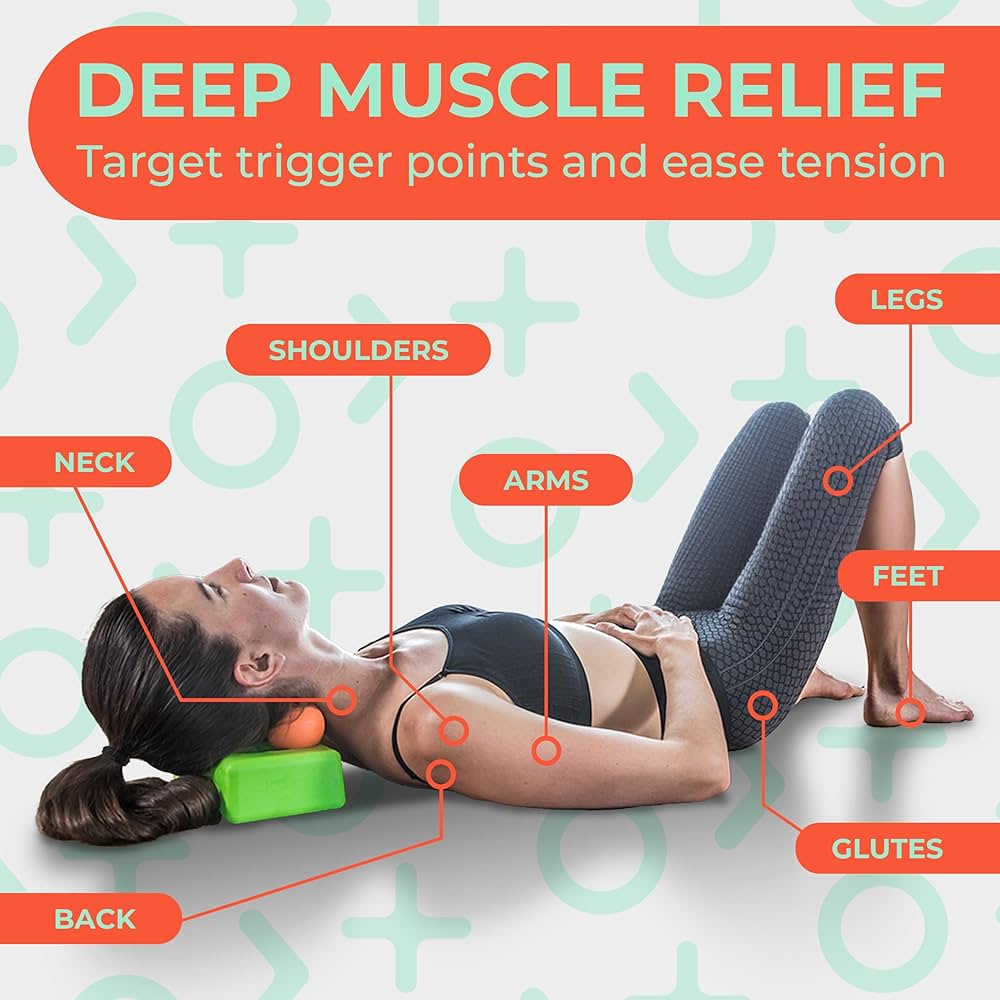
- Foam rolling and mobility flows
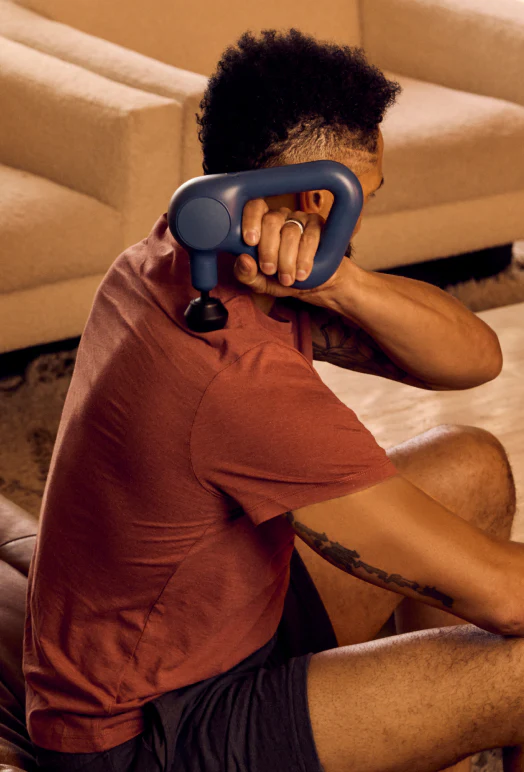
- Percussion therapy
You do not need all of them.
You need consistency with something.
Tools That Help Your Recovery
Here are a few tools that make self maintenance simple and effective.
Who Needs This Most
You especially need routine body work if:
- You lift four plus days per week
- You sit a lot
- You feel "tight all the time"
- You plateau despite training hard
- Little injuries keep popping up
- Your form breaks down under fatigue
That is not age. That is tissue quality.
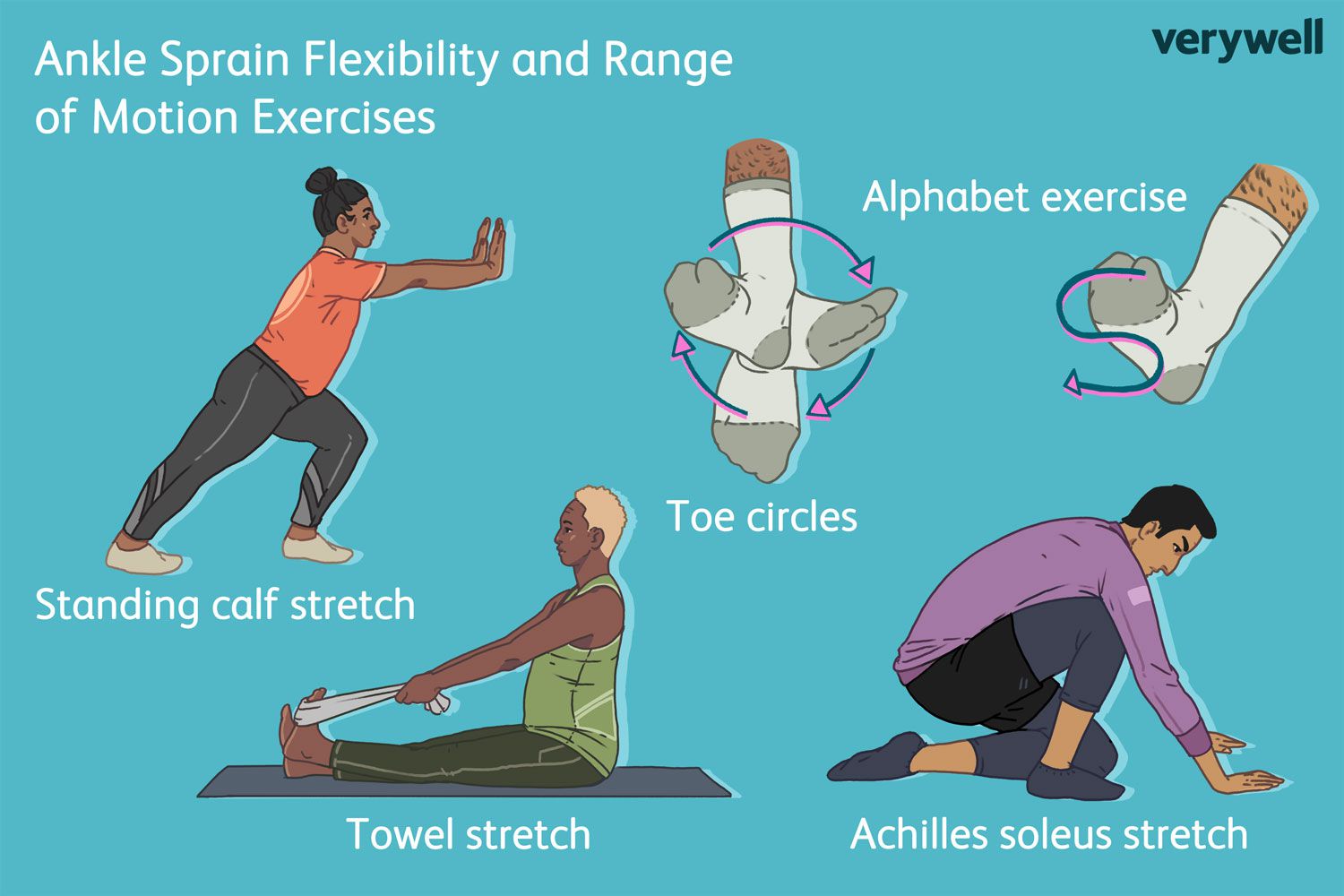
Simple Weekly Plan
Daily
Five to ten minutes foam roll tight areas
Training days
Mobility between sets on problem joints
Weekly
Longer mobility flow or stretch session
Monthly
Professional body work session
Bottom Line
You do not grow just by training harder.
You grow by recovering smarter.
Loose tissue moves better.
Better movement builds better muscle.
Better recovery multiplies results.
Take care of your body like it is your equipment.
Because it is.
Quick Checklist
- ☐ Foam roll most tight areas daily
- ☐ Add mobility between sets
- ☐ Book body work monthly
- ☐ Treat recovery as real work
- ☐ Train hard, recover harder
Get after it.
— Coach Franco
Medical Disclaimer
This article is for informational purposes only and does not constitute medical advice. Always consult a qualified healthcare professional before making changes to your training or recovery program.
Ready to Take the Next Step?
Book a free strategy call. We'll figure out what your body needs and whether live training is a fit.
Book Your Free Strategy CallPrefer to start in writing? Fill out the intake form
Keep Reading

The Science of Food Tracking: Why It Works, Why People Quit, and How We Fixed It
Peer-reviewed research shows food tracking can double weight loss — yet most people quit within weeks. Here's the science, the psychology of quitting, and how my clients' photo-logging app removes the part that makes people quit.

What Sitting All Day Is Actually Doing to Your Hips and Back
Nine hours in a chair quietly reshapes your hips, shuts off your glutes, and loads your spine more than standing ever does — and one workout doesn't cancel it. Here's the damage, and how to undo it.

Knee Pain 101: What It Is, Why It Happens, and What Actually Helps
Knee pain is the most common joint complaint there is — and the most misunderstood. Learn what the different types feel like, why they happen, and why the fix is almost never rest.