Why You Always Justify Bad Decisions When Eating Out
You had a plan. Then you sat down and ordered everything on the wrong side of the menu. Here's why — and how to stop it.
May 23, 2026 · 7 min read

You woke up committed. You ate well all day. You even looked up the menu before you left. And then you sat down, someone said "should we get an appetizer," and thirty minutes later you were three breadsticks deep with a burger on the way.
Sound familiar? This is not a willpower failure. This is your brain doing exactly what it was designed to do in a social, stimulating, high-reward environment. Understanding why it happens is the first step to changing it.
The Psychology Behind Restaurant Decisions
1. Social conformity kicks in immediately
Research consistently shows that people eat more when they are with others — and they tend to mirror the eating behavior of whoever is at the table. If your dining companion orders the burger and fries, your brain registers that as the social norm for this meal. Ordering the salad suddenly feels like a statement, and most people avoid standing out.
This is called social facilitation of eating, and it is one of the most well-documented patterns in nutrition psychology.
2. The "special occasion" justification
Your brain is very good at finding reasons why this meal is an exception. "I've been good all week." "We don't come here often." "It's someone's birthday." "I'll start fresh Monday."
The problem is that research on dietary recall shows most people have far more "special occasions" than they realize — often 3 to 5 times per week. What feels like an occasional treat is actually a recurring pattern.
3. Decision fatigue by dinner time
Your prefrontal cortex — the part of the brain responsible for self-control and long-term thinking — gets depleted throughout the day with every decision you make. By the time you sit down for dinner, your willpower tank is running low. The high-calorie, high-reward option on the menu requires less mental effort to justify than the disciplined choice.
4. Restaurants are engineered against you
Menu placement, font size, color psychology, ambient lighting, music tempo — restaurants spend enormous resources engineering an environment that gets you to spend more and eat more. Items with the highest margins are placed in the top-right corner of the menu. Combo upsells are designed to feel like savings. Portion sizes are inflated to create perceived value.
You are not weak. You are navigating a system specifically designed to override your better judgment.
How to Actually Make Better Choices When Eating Out

Decide before you arrive. Look at the menu online and make your choice before you walk in. Once you are at the table, surrounded by smells and social pressure, the decision is already made. You are not deliberating — you are just ordering.
Order first. If you order before others at the table, you are not influenced by what they pick. Studies show that people who order first make more independent choices.
Build your plate around protein. At almost any restaurant you can find a lean protein source — grilled chicken, fish, steak, shrimp. Start there and build the rest of the meal around it. Protein keeps you full and makes it easier to skip the things you don't need.
Ask for modifications without guilt. "Dressing on the side." "Can I swap the fries for a side salad?" "No bread for the table, thanks." These are normal requests. You are a paying customer.
Eat something before you go. Showing up to a restaurant hungry is a decision made against you before you even open the menu. A small protein snack 30–60 minutes before takes the edge off and makes rational choices infinitely easier.
Apply the 80/20 rule. You do not need to be perfect. Aim to make the better choice 80% of the time. One meal does not make or break your progress — a consistent pattern does. Enjoy the restaurant. Just make it intentional, not automatic.
The Bottom Line
The justifications feel real in the moment because your brain is genuinely working to rationalize the easy, rewarding option. That is not weakness — that is human neurology.
The solution is not more willpower. It is better systems. Decide in advance, eat protein first, order before others, and stop expecting yourself to out-discipline an environment designed to beat you. Work with your brain, not against it.
Ready to Take the Next Step?
Book a free strategy call. We'll figure out what your body needs and whether live training is a fit.
Book Your Free Strategy CallPrefer to start in writing? Fill out the intake form
Keep Reading
The Smart Snacker's Guide: How to Stop Sabotaging Yourself Between Meals
Most diets do not fall apart at dinner. They fall apart at 3pm when you are hungry and the vending machine is right there. Learn how to snack smart, and why high-quality beef jerky is one of the best portable protein sources you can carry.
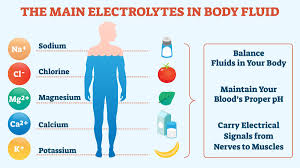
You Drink Water But Are You Getting Enough Electrolytes?
Drinking water is not the same as being hydrated. If you feel tired, crampy, or foggy despite drinking enough water, electrolytes may be the missing piece.

You Think Healthy Eating Is Boring — Here's How to Make It Fun
Healthy eating does not have to be bland, restrictive, or miserable. Here's how to build a way of eating that actually tastes good and stays interesting.