You Drink Water But Are You Getting Enough Electrolytes?
Hydration is not just about water. Here's why electrolytes matter and what happens when you don't get enough.
May 16, 2026 · 7 min read

You carry your water bottle everywhere. You hit your daily ounce goal. You do everything right. And yet you still feel tired, get muscle cramps, wake up foggy, or bonk during workouts. Sound familiar?
The missing piece for a lot of people is not more water — it is electrolytes. And most people have no idea what they are, why they matter, or how to know if they're low.
What Are Electrolytes?
Electrolytes are minerals that carry an electrical charge when dissolved in fluid. The main ones your body depends on are:
- Sodium — regulates fluid balance, nerve function, and blood pressure
- Potassium — critical for muscle contraction and heart rhythm
- Magnesium — involved in over 300 enzymatic reactions, including energy production and muscle relaxation
- Calcium — muscle contractions, bone density, nerve signaling
- Chloride — works with sodium to maintain fluid balance
These minerals are lost through sweat, urine, and even breathing. When they drop too low, your body cannot function properly — regardless of how much water you drink.
Signs You May Be Low on Electrolytes

- Muscle cramps, especially at night or after exercise
- Fatigue that does not improve with rest
- Headaches, especially after drinking a lot of water
- Brain fog or difficulty concentrating
- Heart palpitations or irregular heartbeat
- Nausea or dizziness
- Poor workout performance despite adequate sleep
Drinking more plain water when you are low on electrolytes can actually make things worse. Water dilutes the electrolytes already in your blood, which can cause a condition called hyponatremia — dangerously low sodium. This is rare but real, especially in endurance athletes who drink excessive amounts of plain water.
Who Needs to Pay Extra Attention
You are at higher risk of electrolyte depletion if you:
- Sweat heavily during workouts or live in a hot climate
- Train fasted or eat a lower-carb diet
- Drink a lot of coffee or alcohol (both are diuretics)
- Are over 50 (kidney function changes affect electrolyte regulation)
- Have recently been sick with vomiting or diarrhea
- Take certain medications like diuretics or blood pressure drugs
How to Get More Electrolytes
Through food first:
- Sodium — sea salt, pickles, olives, broth
- Potassium — bananas, avocados, sweet potatoes, spinach
- Magnesium — pumpkin seeds, dark chocolate, almonds, leafy greens
- Calcium — dairy, sardines, fortified plant milks, broccoli
For most people eating a varied whole-food diet, food alone can cover basic needs. But if you train hard, sweat a lot, or are consistently showing symptoms, supplementing makes sense.
Recommended Tool
A clean electrolyte supplement without added sugar is one of the easiest daily upgrades for energy, recovery, and hydration quality.
Electrolyte Supplement — clean formula, no sugar, supports hydration and muscle function →A Simple Daily Hydration Protocol
- Morning: 16–20oz of water with a pinch of sea salt or an electrolyte packet before coffee
- Pre-workout: 8–12oz of water 30 minutes before training
- During workout: sip water consistently, add electrolytes if session is over 45 minutes or very sweaty
- Post-workout: rehydrate with water plus electrolytes within 30 minutes
- Throughout the day: aim for half your bodyweight in ounces of total fluid
Recommended Tool
A quality insulated bottle keeps your water cold all day and makes it easy to track your intake.
Hydro Flask 32oz Water Bottle — insulated, durable, keeps water cold all day →The Bottom Line
Water is essential. But hydration is more than water. If you have been drinking plenty and still feel off — tired, crampy, foggy, or slow to recover — electrolytes are the missing piece worth looking at.
Start with your food, add sea salt to your meals, and if symptoms persist, add a clean electrolyte supplement to your morning routine. Most people notice a difference within a few days.
Ready to Take the Next Step?
Book a free strategy call. We'll figure out what your body needs and whether live training is a fit.
Book Your Free Strategy CallPrefer to start in writing? Fill out the intake form
Keep Reading
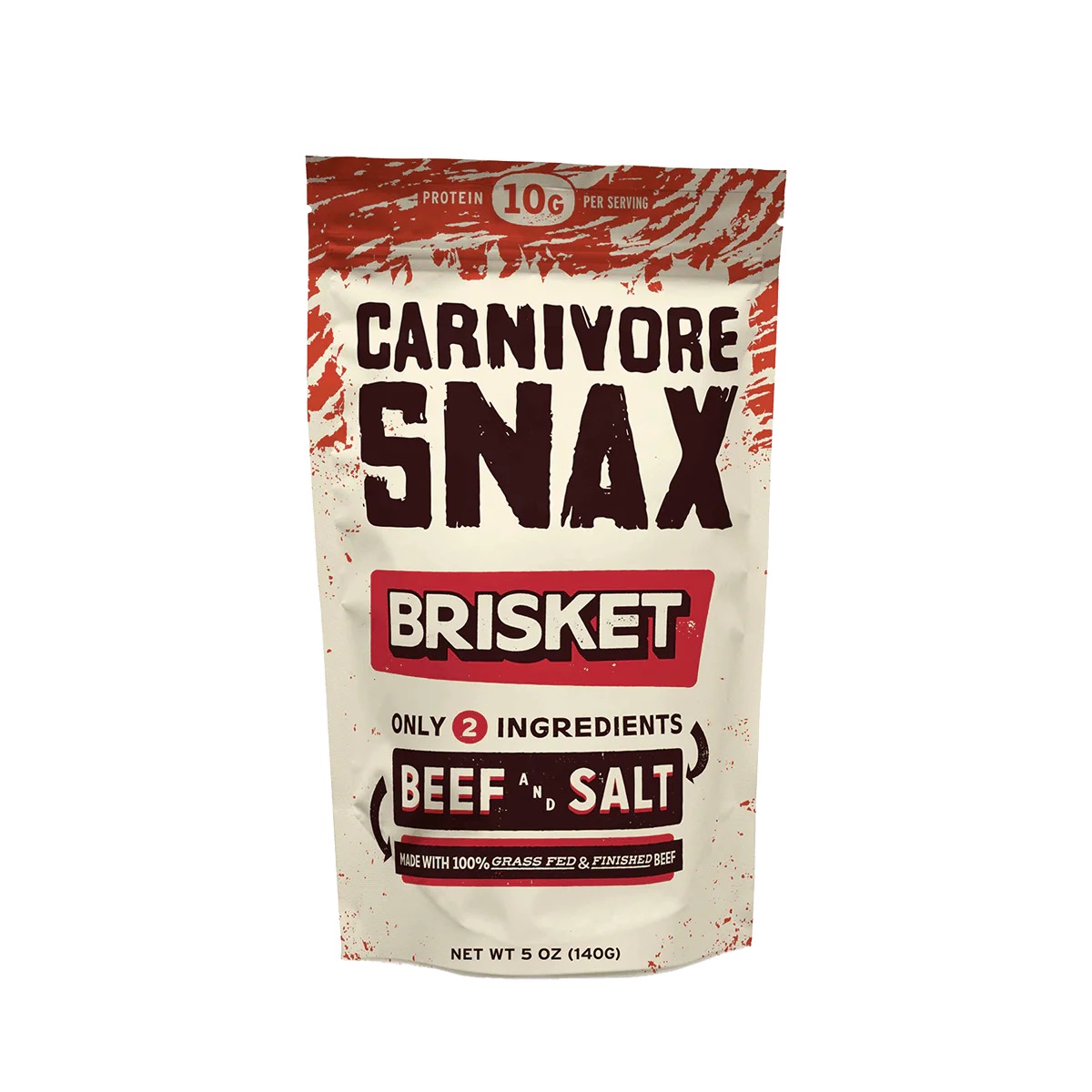
The Smart Snacker's Guide: How to Stop Sabotaging Yourself Between Meals
Most diets do not fall apart at dinner. They fall apart at 3pm when you are hungry and the vending machine is right there. Learn how to snack smart, and why high-quality beef jerky is one of the best portable protein sources you can carry.
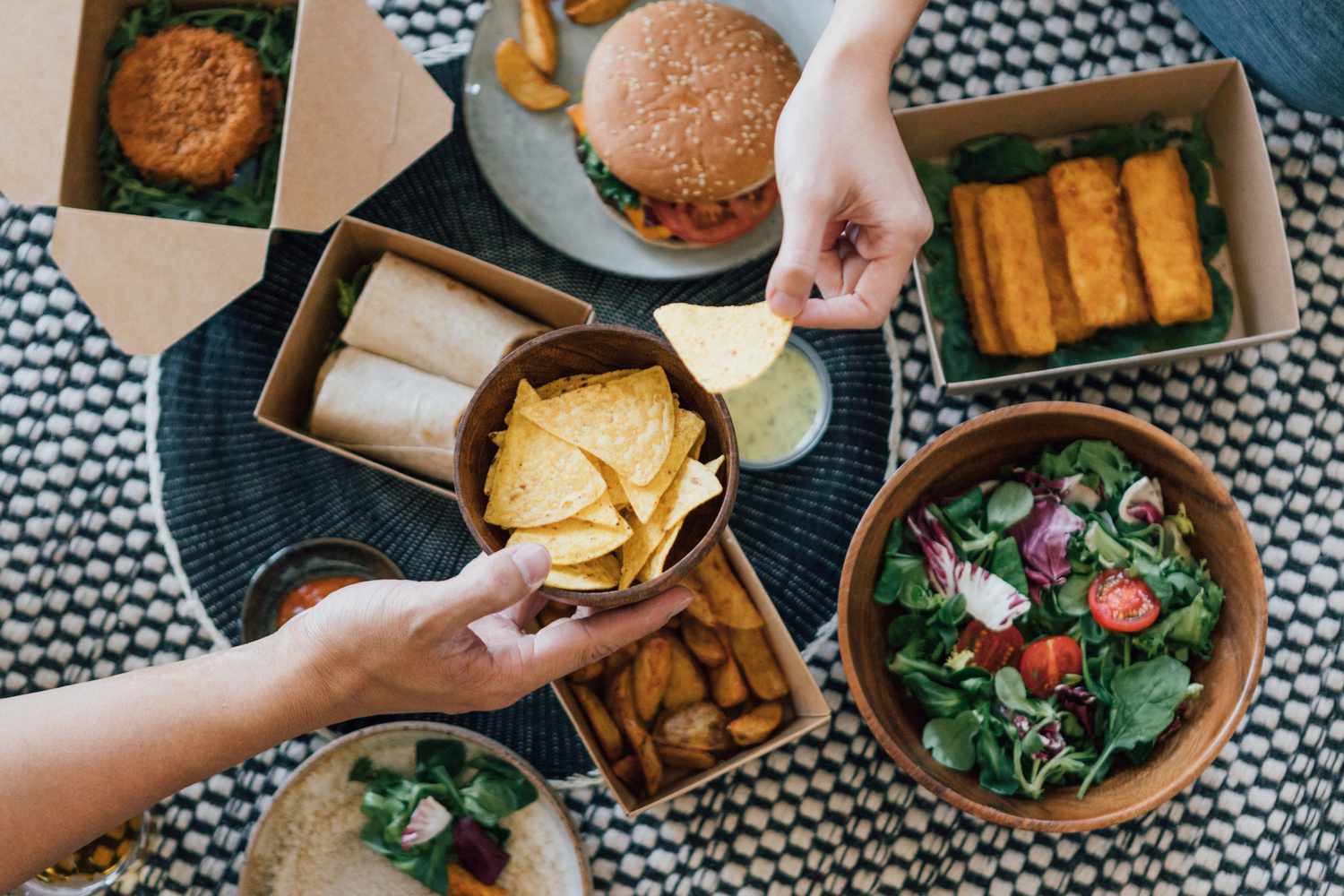
Why You Always Justify Bad Decisions When Eating Out
You had a plan. Then you sat down at the restaurant and ordered everything you weren't supposed to. Here's the psychology behind why it happens and how to stop it.

You Think Healthy Eating Is Boring — Here's How to Make It Fun
Healthy eating does not have to be bland, restrictive, or miserable. Here's how to build a way of eating that actually tastes good and stays interesting.