Knee Pain 101: What It Is, Why It Happens, and What Actually Helps
Knee pain is the most common joint complaint there is — and the most misunderstood. Here is what is actually going on in there, and what you can do about it.
July 11, 2026 · 9 min read
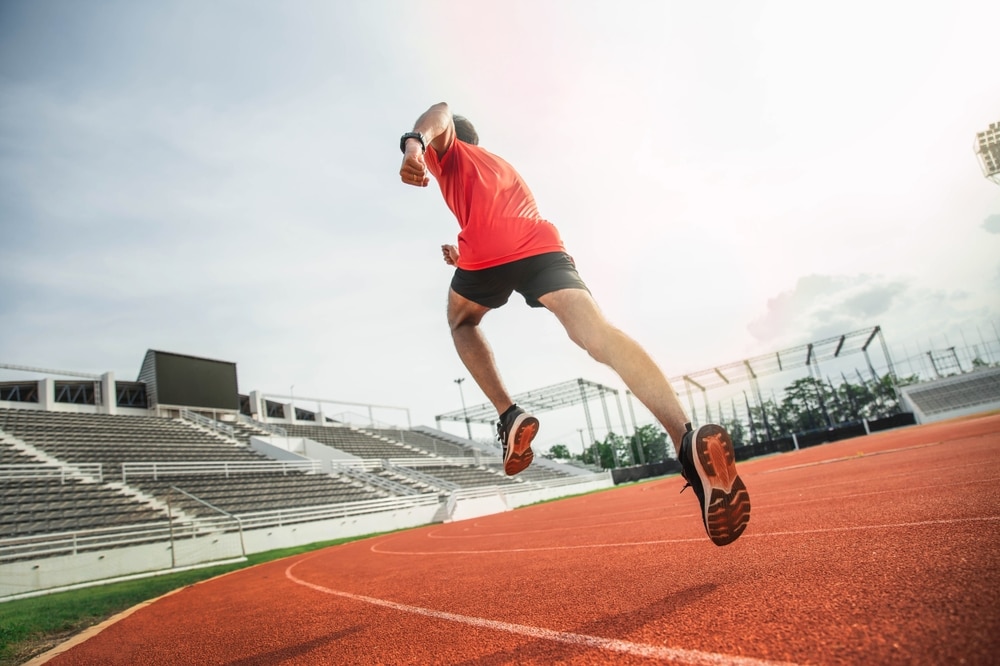
If your knees hurt, you are in good company. Knee pain affects roughly one in four adults, and it is the single most common reason people either quit training or never start. Squats hurt, so they stop squatting. Stairs hurt, so they take the elevator. Running hurts, so they stop moving altogether.
Here is the problem with that strategy: for the vast majority of knee pain, doing less is exactly the wrong move. Most knee pain is not damage — it is a knee that has been asked to do more than it is currently prepared for. And the fix is not rest. It is preparation.
Let's break down what your knee actually is, what the most common types of pain feel like, why they happen, and what genuinely helps.
What Your Knee Actually Is
Your knee is the largest joint in your body, and it has a hard job: it sits between your two longest bones and transfers force between your hips and your feet every time you walk, climb, squat, or run. When you go down stairs, your knee handles forces of three to four times your body weight. When you run, even more.
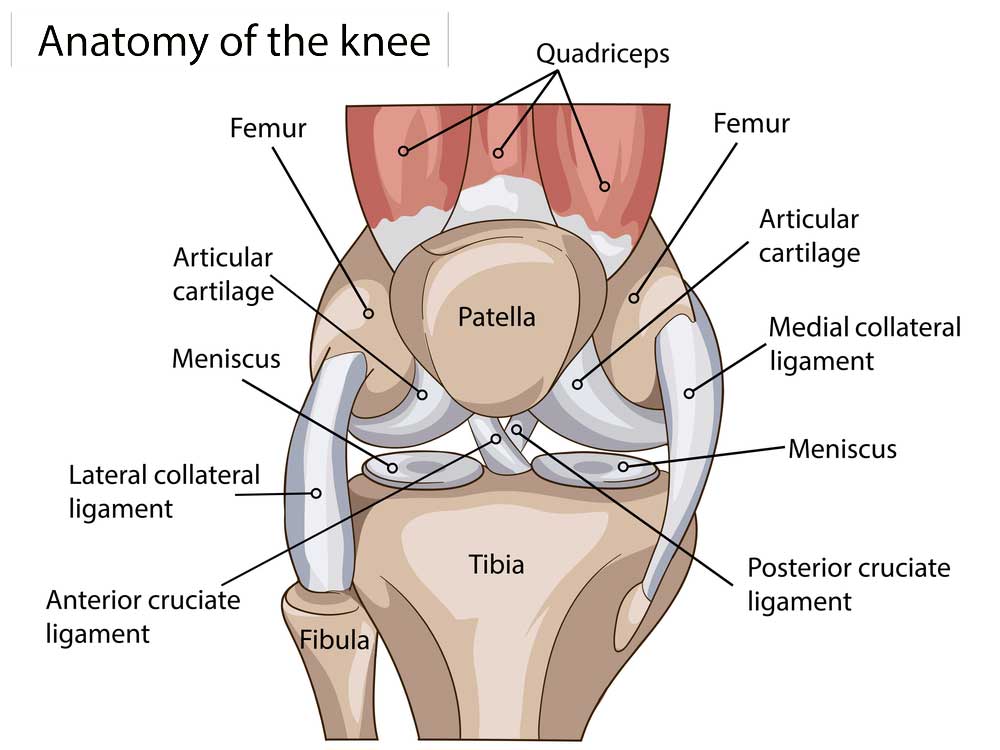
The main players:
- Cartilage — the smooth coating on the ends of your bones that lets the joint glide. It has no nerve endings itself and adapts to load slowly.
- Menisci — two C-shaped pads of cartilage that act as shock absorbers and spread force across the joint.
- Ligaments (ACL, MCL, and friends) — strong straps that hold the bones together and keep the joint stable.
- Tendons — connect muscle to bone. The patellar tendon and quadriceps tendon do a huge amount of work every time you bend and straighten your knee.
- The kneecap (patella) — floats in the quadriceps tendon and acts as a pulley, making your quads more efficient.
The key thing to understand: your knee is mostly a hinge, and it depends heavily on the joints above and below it. When your hips or ankles are weak or stiff, your knee often pays the bill.
The Most Common Types of Knee Pain (And What Each Feels Like)
1. Pain at the front of the knee (patellofemoral pain, or "runner's knee")
The most common knee complaint by far. It feels like a dull, aching pain around or behind the kneecap. It gets worse with stairs (especially going down), squatting, lunging, running, and — classically — sitting with bent knees for a long time, like at a movie or on a flight. It is usually hard to point to one exact spot.
2. Pain just below the kneecap (patellar tendinopathy, or "jumper's knee")
A sharp, localized pain right at the bottom tip of the kneecap where the tendon attaches. You can usually press on the exact spot. It flares with jumping, sprinting, and deep squatting, often feels stiff at the start of activity, warms up as you go, then aches afterward.
3. Deep, stiff, achy knees (osteoarthritis)
More common from your 40s onward. It feels like a deep ache inside the joint, stiffness in the morning or after sitting that eases within about 30 minutes of moving, and occasional swelling after busier days. Important: joint changes on an X-ray do not doom you to pain — plenty of people with "arthritic" knees train hard and feel great. Strong legs are the best protection arthritis has ever met.
4. Catching, clicking, or pain with twisting (meniscus irritation)
Pain along the inner or outer joint line — the "seam" of the knee — that flares with twisting, pivoting, or deep knee bends. Sometimes there is a catching or locking sensation. Painless clicking on its own, by the way, is normal and not a problem.
5. Pain on the outside of the knee (IT band syndrome)
A sharp or burning pain on the outer side of the knee that shows up at a predictable point into a run or ride and forces you to stop. Almost always a training-load story: too much, too soon.
Why Knee Pain Happens
Nearly all non-traumatic knee pain comes down to one equation: load exceeded capacity. The demand you placed on the tissue was more than it was currently prepared to handle. The usual suspects:
- Doing too much, too soon. New running program, new job with stairs, first week back in the gym after months off. Tissue adapts to load — but slowly. Spikes in activity are the #1 trigger.
- Weak quads and glutes. Your muscles are your knee's shock absorbers. When they are weak, more force goes through the joint itself. Weak hips also let the knee collapse inward during squats, stairs, and landings — a major driver of front-of-knee pain.
- Long periods of not moving. Cartilage and tendon get their nutrition from movement and load. Months of sitting do not "save" your knees — they decondition them, so normal activity starts to feel like overload.
- Body weight. Every extra pound adds three to four pounds of force through the knee on stairs. This is not about aesthetics — it is simple physics, and it is one reason fat loss often improves knee pain dramatically.
- Previous injury. An old ACL tear or meniscus injury raises the odds of future knee trouble — which makes strength work more important, not less.
- Age-related tissue changes. Tendons and cartilage tolerate less abuse at 50 than at 20. The answer is not avoidance — it is smarter progression and more consistent strength work.
Notice what is mostly not on that list: "bad knees," bone-on-bone doom, or running being inherently destructive. Recreational runners actually show lower rates of knee arthritis than sedentary people. Movement is not the enemy. Unprepared tissue is.
What Actually Helps
1. Calm it down — without shutting down
In a painful flare, reduce the specific thing that aggravates it (less running volume, shallower squats, fewer stairs) — but keep moving everything that does not hurt. Total rest makes knees weaker and more sensitive. A useful rule: pain up to about a 3 out of 10 during activity, that settles within 24 hours, is acceptable. Pain that escalates or lingers means you did too much.
During this phase, a compression knee sleeve can make training more comfortable. It will not fix anything on its own, but the warmth and compression reduce pain sensitivity and give the joint a feeling of support while you keep moving — which is exactly what you want.
Recommended — Compression Knee Sleeve
Warmth and compression to keep you training comfortably through a flare. Wear it during workouts, not all day.
Knee Sleeve — comfortable support while you rebuild strength →2. Strengthen the muscles around the knee
This is the most evidence-backed treatment for nearly every type of knee pain — patellofemoral pain, tendinopathy, and arthritis alike. Priorities:
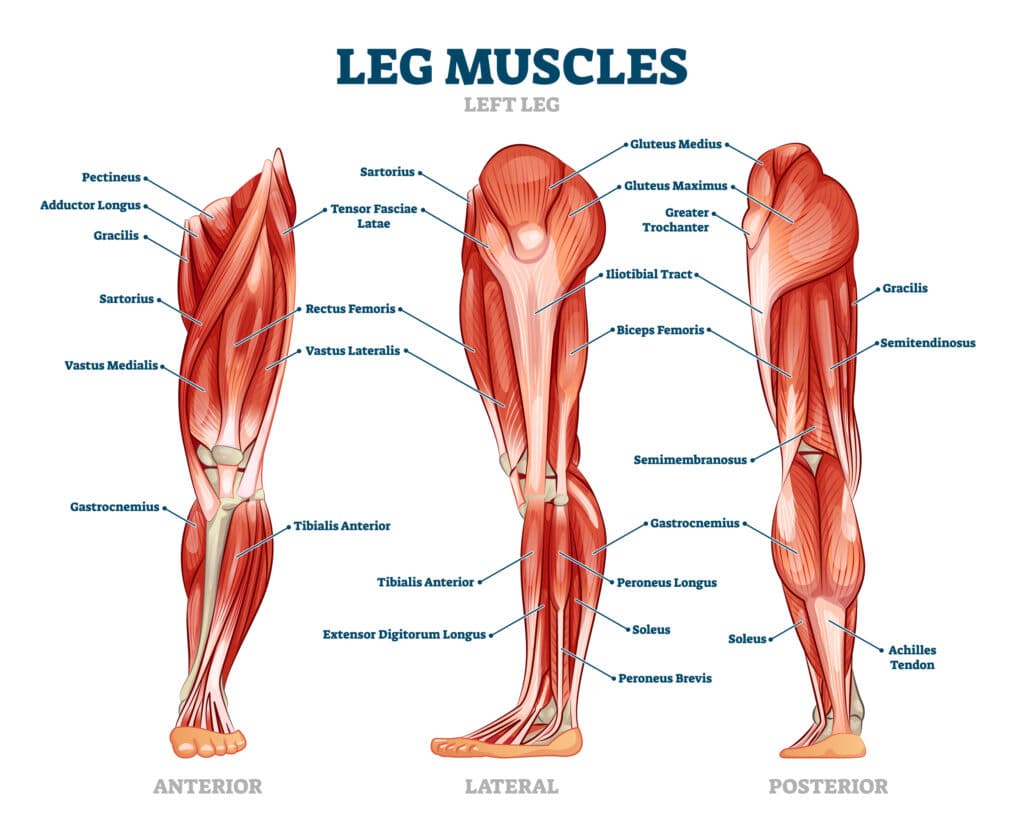
- Quads: leg press, split squats, step-ups, wall sits. Start in the pain-free range and expand it over weeks.
- Glutes and hips: hip thrusts, side-lying leg raises, banded lateral walks — these control how your knee tracks.
- Hamstrings and calves: the supporting cast that shares the load.
For tendon pain specifically, slow and heavy wins: isometric holds (like a wall sit) can calm pain in the short term, and slow, heavy strength work rebuilds the tendon over months. If jumper's knee is your issue, a patellar tendon strap worn just below the kneecap can take enough pressure off the tendon to let you train while it heals.
Recommended — Loop Resistance Bands
The cheapest way to start strengthening the hips and glutes that control how your knee tracks — banded lateral walks, clamshells, and glute bridges all start here.
Resistance Bands (Loop) — hip and glute strength for happier knees →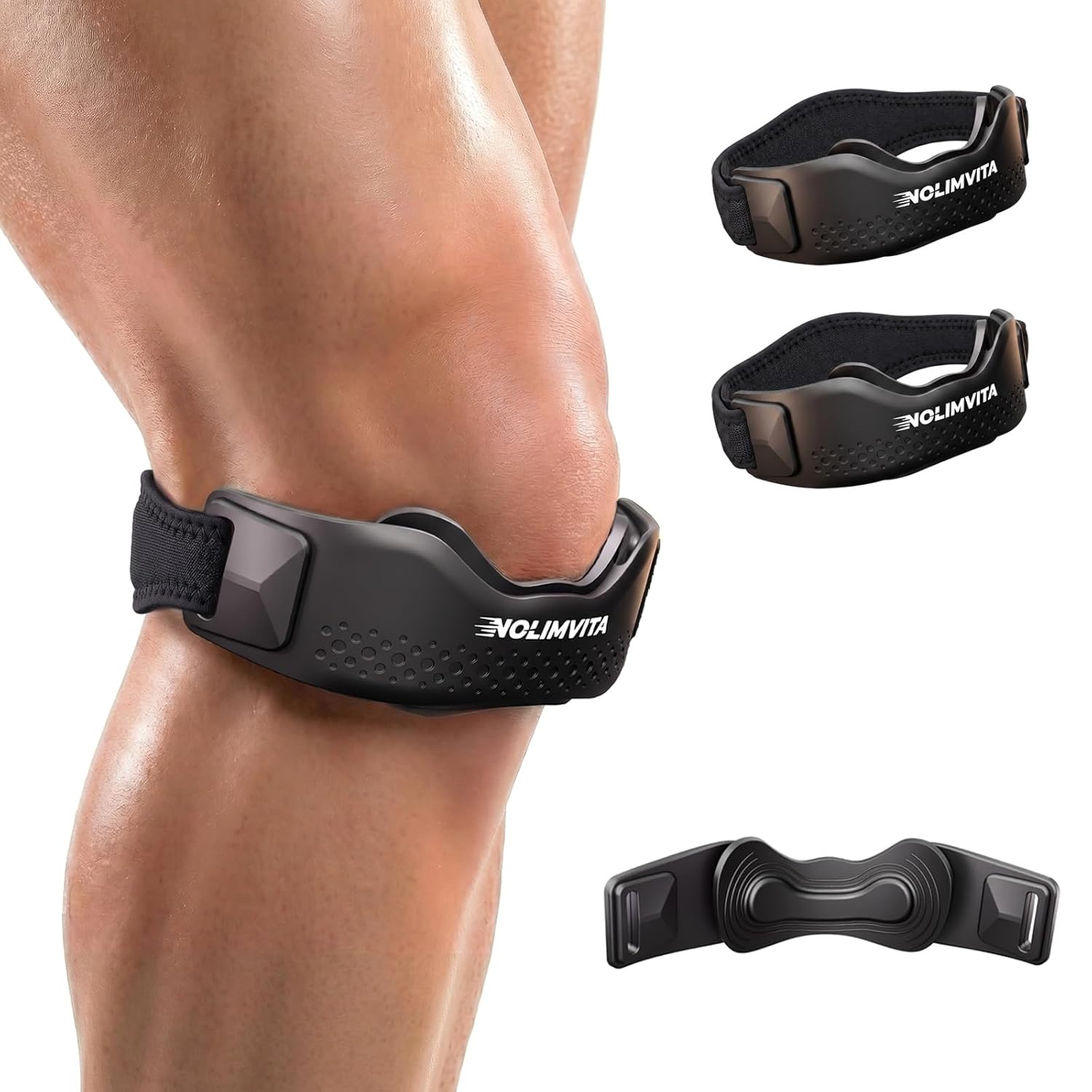
Recommended — Patellar Tendon Strap
For pain just below the kneecap (jumper's knee), a strap offloads the tendon so you can keep jumping, squatting, and running while you build it back up. This one comes as a two-pack.
Patellar Tendon Strap — targeted relief for jumper's knee →3. Rebuild load gradually
Whatever hurt you, return to it in steps — roughly 10–20% increases per week, not doubling because you feel good one day. The knee you have in eight weeks is built by what you do consistently, not what you survive occasionally.
4. Manage the extras
- Body weight: even a 5–10% reduction meaningfully lowers joint load and pain in people with knee arthritis.
- Footwear: worn-out shoes change how force travels up the chain. Replace running shoes every 300–500 miles.
- Ice and heat: fine for short-term comfort — use whichever feels better. Neither fixes the underlying issue.
- Soft-tissue work: foam rolling your quads, IT band area, and calves will not "release" anything permanently, but it reliably reduces stiffness and makes strength work feel better.
- Sleep and stress: pain sensitivity rises when you are underslept and run down. Recovery is part of the treatment.
Recommended — Foam Roller
A few minutes on the quads and calves before training reduces stiffness around the knee and makes loading feel better.
Foam Roller — pre-training prep for stiff, achy knees →When to Get It Checked
Most knee pain responds well to the approach above. See a medical professional promptly if you have:
- A traumatic injury with a pop, immediate swelling, or the knee giving way
- A knee that truly locks and will not straighten
- Significant swelling, redness, and warmth — especially with fever
- Inability to bear weight
- Pain that is worsening after 6–8 weeks of sensible loading and strength work
This article is education, not a diagnosis — when in doubt, get assessed in person.
The Bottom Line
Knee pain is common, but it is rarely a life sentence — and it is almost never a signal to stop moving. In most cases it is your knee telling you it was asked to do more than it was prepared for. Calm the flare, strengthen the muscles around the joint, rebuild your activity gradually, and give it weeks rather than days.
Strong legs are the best knee insurance ever invented. Build them, and most knee pain takes care of itself.
Ready to Take the Next Step?
Book a free strategy call. We'll figure out what your body needs and whether live training is a fit.
Book Your Free Strategy CallPrefer to start in writing? Fill out the intake form
Keep Reading
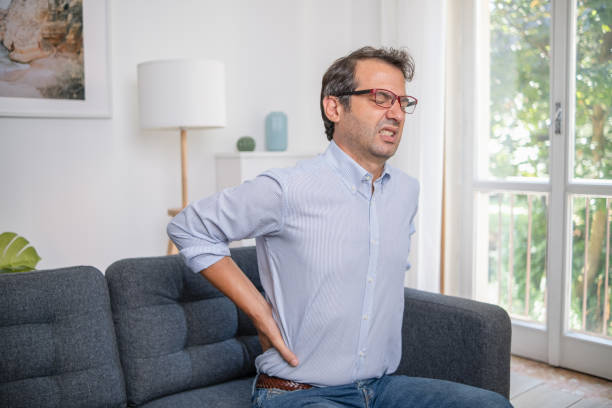
What Sitting All Day Is Actually Doing to Your Hips and Back
Nine hours in a chair quietly reshapes your hips, shuts off your glutes, and loads your spine more than standing ever does — and one workout doesn't cancel it. Here's the damage, and how to undo it.
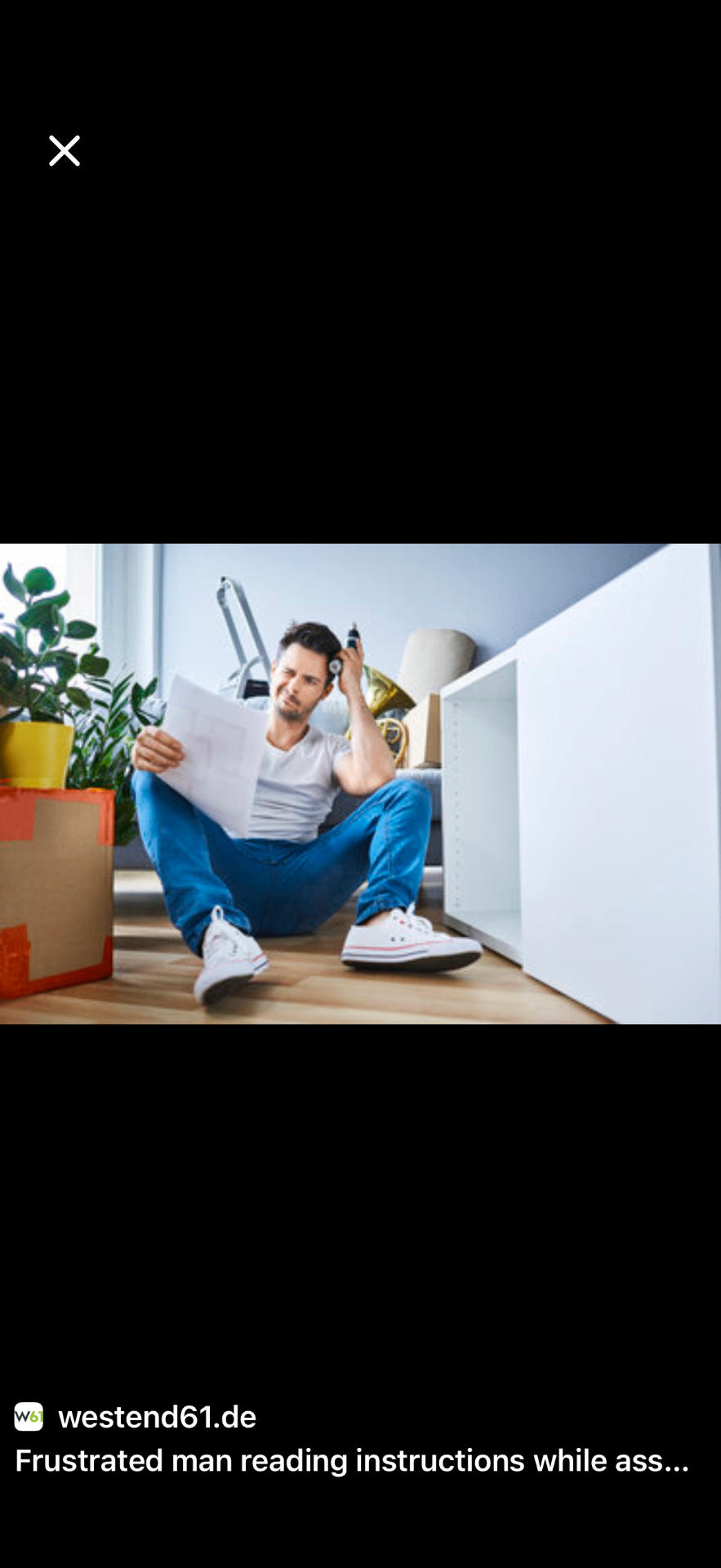
Why Your Back Hurts When You Build Furniture Or Vacuum
You do not hurt your back deadlifting. You hurt it building IKEA furniture. It is not weakness. It is control. Learn why household chores destroy your back and how to fix it with posterior chain endurance.
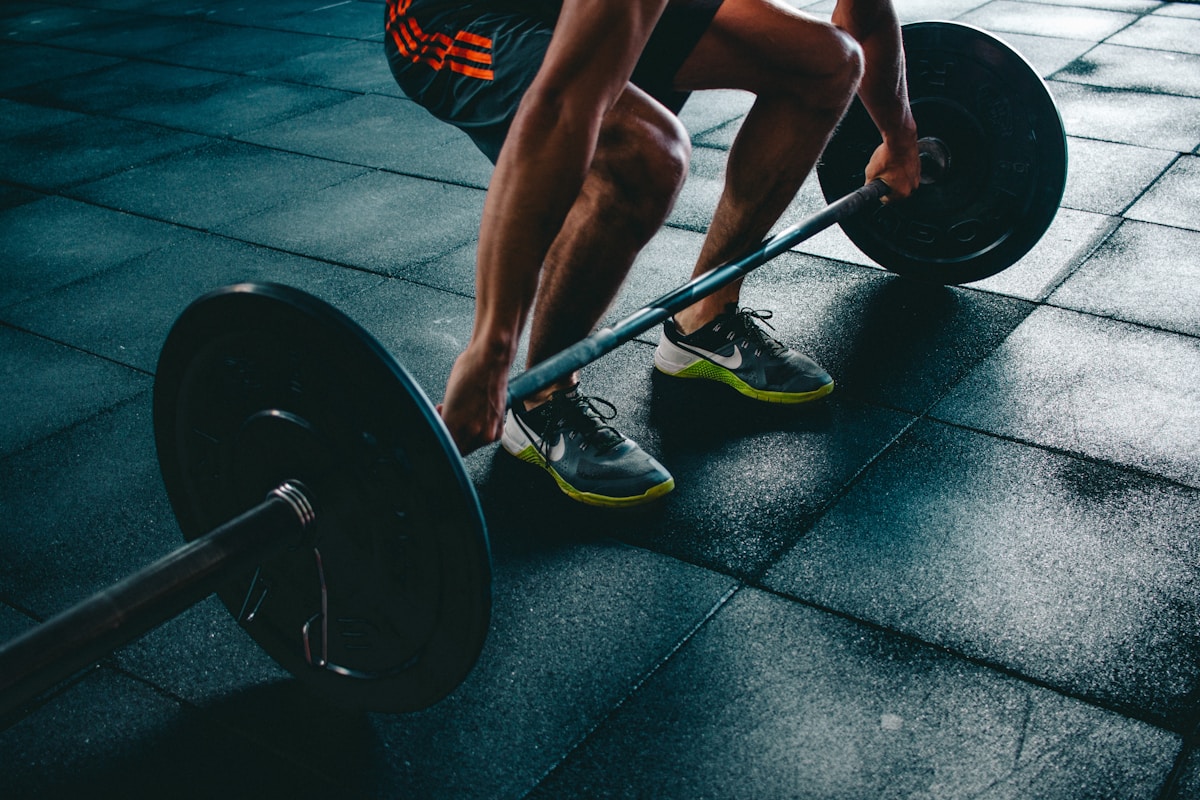
Dont Be A Floppy Pickle
You are not tired. You are collapsed. Posture is not a stretch problem. It is a strength and awareness problem. Learn The Franco System for stacking your skeleton and owning your standing position.